Muse EgyptHeritage Letters
Region notes

Sixteen letters on Egyptian cities and regional readings

This section gathers the city-level and region-level letters from the printed quarterly into a single working index. The sixteen letters below cover the Egyptian places that are not single sites but coherent neighbourhoods, urban quarters or regional contexts — Coptic Cairo as a quarter, Islamic Cairo as a quarter, the Khan and the bazaars, the Cairo corniche, Alexandria read as a Mediterranean city rather than a Cairo annex, the Luxor west bank as a region, Aswan as a river city, the Nubian south, the Western Desert oases (Bahariya, Farafra, Siwa) covered in a single regional letter, and the Sinai interior with its monastery and mountain. Each region letter is typically ten to twelve printed pages and reads as a slow, walkable essay rather than a checklist.

The editorial distinction between an ancient-site letter and a region letter is about scale and tone. An ancient-site letter walks one place — Karnak, Hatshepsut, the Valley of the Kings. A region letter walks the texture between places — the small streets of Coptic Cairo, the lanes that connect the Khan to Al-Azhar, the corniche from Stanley to Bahari in Alexandria, the village pattern on the west bank between Gurna and Deir el-Medina. Region letters are where the desk's most reader-favoured pieces tend to live; the slow tone of an editor walking a neighbourhood across two visits is the kind of writing the printed quarterly was designed for.

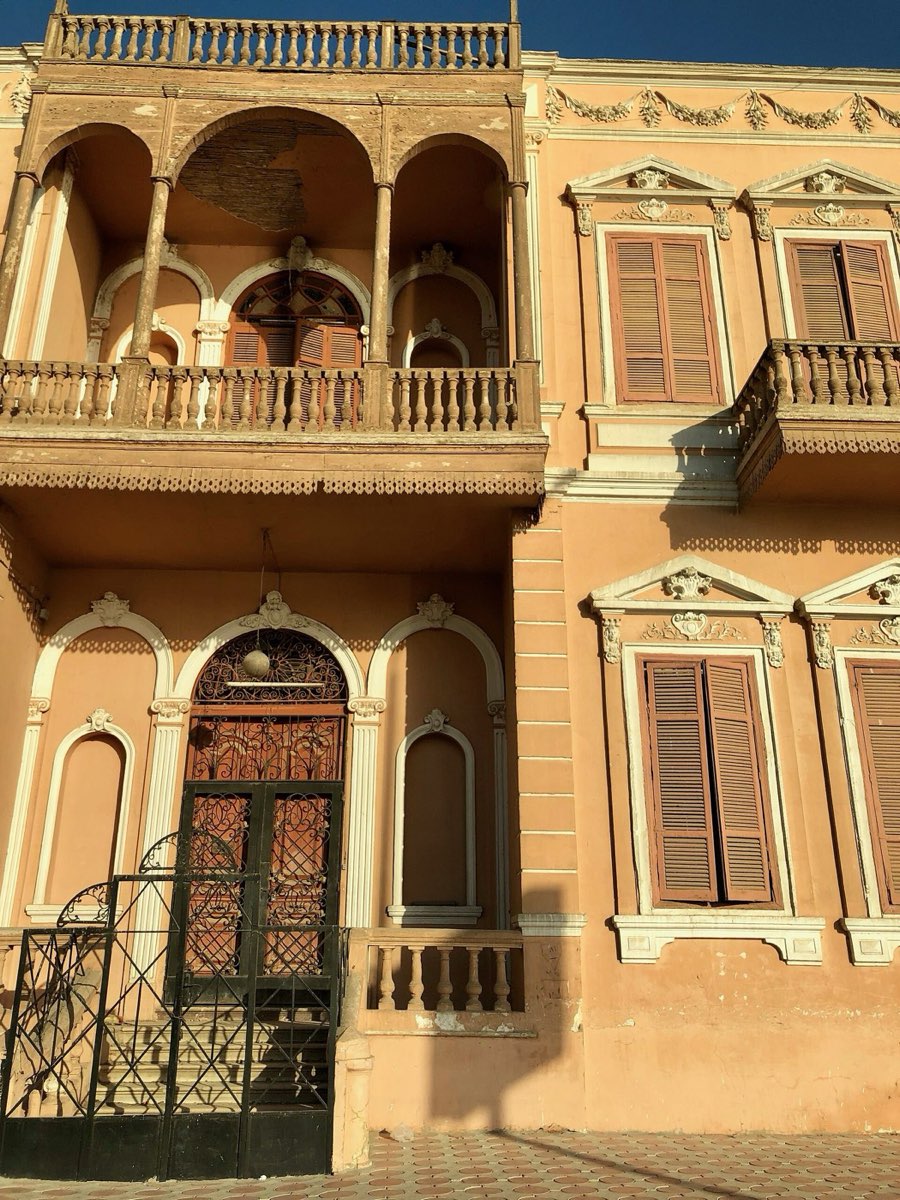
Coptic Cairo street and church facade
LETTER 021 / 094

Coptic Cairo as a walking quarter, two readings

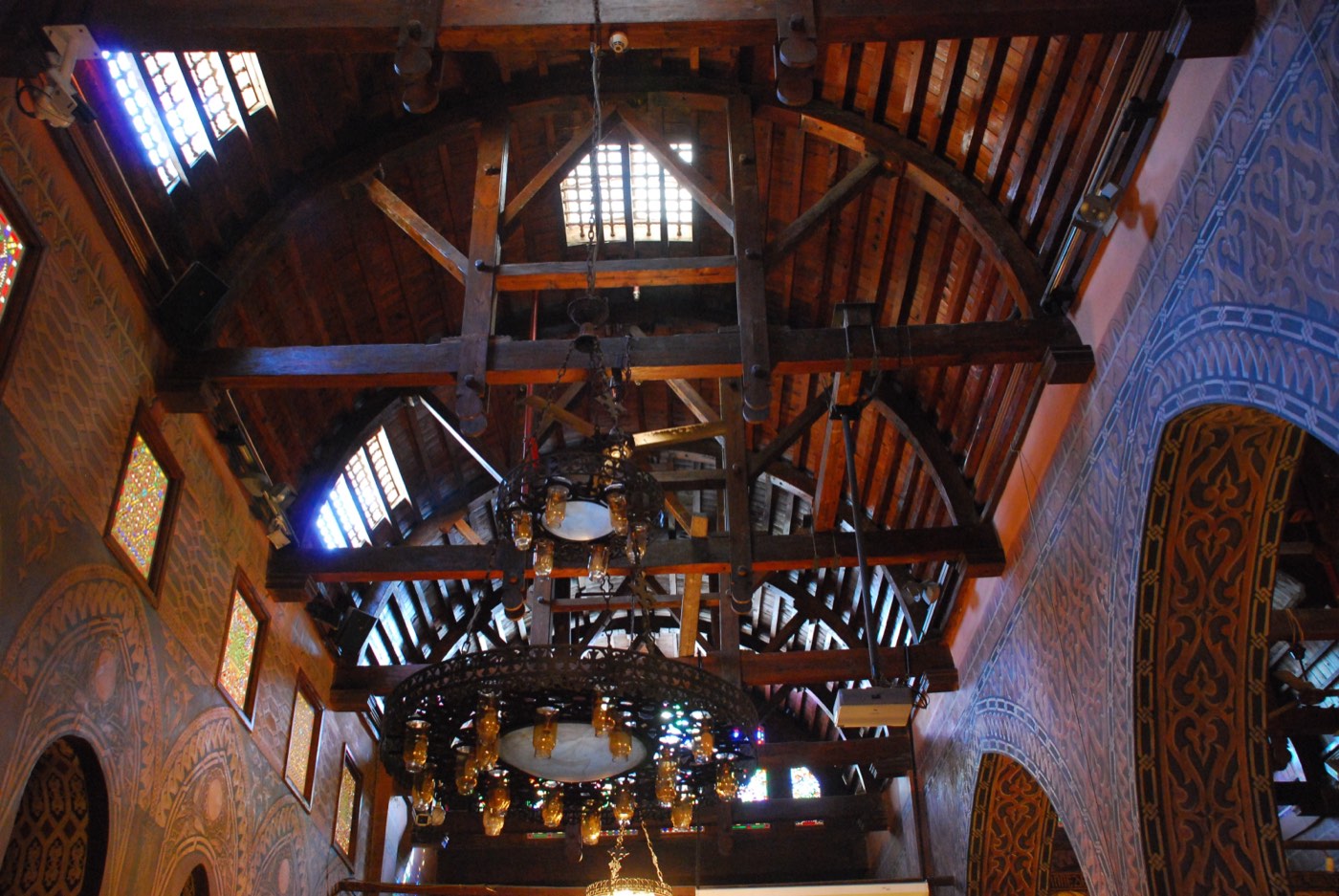
Lana Mahmoud's two Coptic Cairo letters. The first (issue 009, March 2022) introduces the quarter — the Hanging Church, Ben Ezra Synagogue, the Coptic Museum, the streets between them — as a coherent neighbourhood rather than three separate sites. The second (letter 094, March 2026) revisits the quarter after the November 2025 completion of the Hanging Church restoration programme. The two together register the slow change in how the area reads to a visitor — pilgrim, tourist, congregation, all at once.

L.M. · last rotation Mar 2026In the archive →
Khan el-Khalili lit alley in the evening
LETTER 029

The Khan after dark

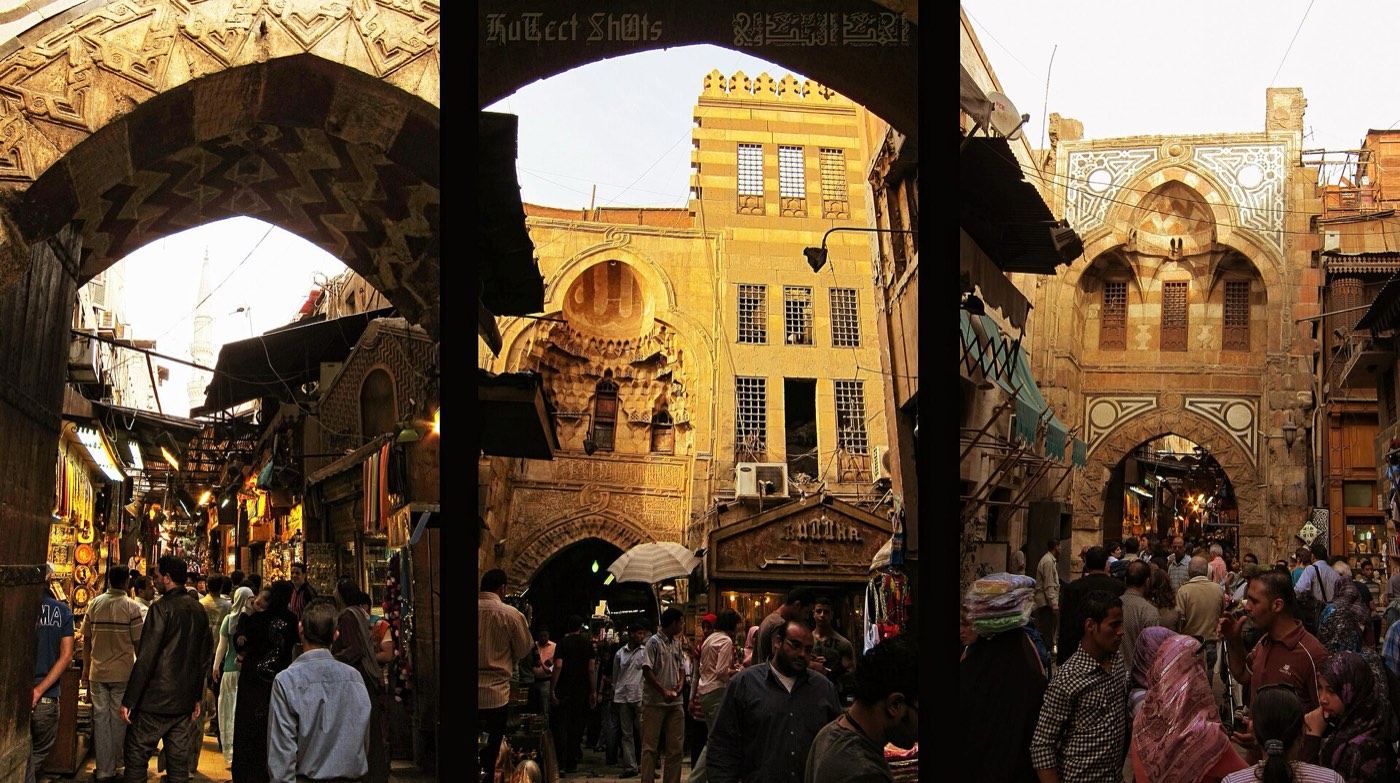
Lana's June 2023 letter on Khan el-Khalili as evening theatre — the brass-and-copper alley, the spice corners, the older cafés, the rooms behind the rooms where the wholesale work happens. The piece reads the Khan against its tourist surface, finding the part of the bazaar where the artisanal workshops still operate at the back of the public-facing storefronts. Lana's photographs of the lamp-makers' alley are reproduced as plates 4 to 7 of the issue.

L.M. · last rotation Apr 2026In the archive →
Cairo corniche along the Nile
LETTER 045

The Cairo corniche — Garden City to Maadi

Yasmine Farouk's September 2024 long letter on the Cairo corniche read as a continuous urban strip from Garden City down to Maadi. The letter is unusual in being structured as a walking diary rather than a survey — Yasmine walked the seventeen-kilometre stretch over three consecutive Sundays and the letter follows the order of the walk rather than the order of the landmarks.

Y.F. · last rotation Sep 2025In the archive →
Alexandria corniche with the Mediterranean
LETTER 030

Alexandria read as a Mediterranean city

Lana's longest single letter to date, from issue 010 (June 2023). The argument is that Alexandria is consistently misread when treated as a Cairo annex — the Greek and Roman Hellenistic-period inheritance, the European cosmopolitan twentieth century, and the contemporary Mediterranean working city demand a different reading than the standard Egypt-tourist frame supplies. Twelve printed pages with plate photography of Stanley, Bahari and Saad Zaghloul.

L.M. · last rotation Mar 2026In the archive →
Luxor west bank village
LETTER 040

The Luxor west bank as a region

Mona Habashy's March 2024 long letter on the Luxor west bank, treated not as a list of monuments but as a regional context — the villages of Gurna, the new-Gurna settlement, the relationship between the SCA's site-management programme and the village economy, and the slow village-by-village restoration that has run alongside the monumental work since the 1990s. The piece is one of the desk's most reader-corresponded letters; eighteen named subscribers wrote in over the following year.

M.H. · last rotation Mar 2026In the archive →
Aswan city corniche with feluccas
LETTER 053

Aswan as a river city

Mona's September 2024 letter on Aswan — the city as a slow place where the boats are part of the geography rather than a tourist amenity. The corniche from the train station to the Old Cataract, the islands (Elephantine and Kitchener's) as walked rather than viewed, the Nubian villages on the west bank, and the patient relationship between the city and the dam that defines its modern history.

M.H. · last rotation Feb 2026In the archive →
Nubian south landscape
LETTER 060

The Nubian south after the dam

Mona's December 2024 long letter on the Nubian south as a region six decades after the High Dam relocations of the 1960s and 1970s. The piece is the desk's most-cited single letter in academic correspondence; it pairs personal interview material with the published rescue-archaeology literature and the Nubian Museum's curatorial record. The letter is the foundation work for the standing relationship with the Nubian Museum that produces Mona's January annual letter.

M.H. · last rotation Feb 2026In the archive →
Sinai mountainous landscape
LETTER 071

The Sinai interior — monastery and mountain

Lana's June 2025 letter on the Sinai interior — Saint Catherine's Monastery, the Mount Sinai overnight climb, the Bedouin guide families who have run the climb for generations, and the relationship between the monastery, the mountain and the small modern town of Saint Catherine at the foot. The piece pairs with letter 081 (the overnight-climb letter) and letter 049 (the icon-collection letter) to form a Sinai triptych.

L.M. · last rotation Dec 2025In the archive →
Western Desert white-rock formations
LETTER 075

The Western Desert oases — Bahariya, Farafra, Siwa

Yasmine and Tarek's joint September 2025 regional letter on the Western Desert oases. Bahariya as a base, Farafra as the gateway to the White Desert, Siwa as the far western point. The piece is unusual in being a deliberately careful editorial on a region where the security situation is changeable and where the published guidance from various foreign ministries is regularly out of date. The letter is updated in the printed quarterly's traveller's annex when the advisories change.

Y.F. / T.A. · last rotation Mar 2026In the archive →
Red Sea coast
LETTER 082

The Red Sea coast at city scale

Lana's December 2025 letter on the Red Sea coast resorts — Sharm el-Sheikh, Dahab, Hurghada, Marsa Alam, El Gouna — treated at city-card scale rather than at the hotel level. The argument is that the Red Sea coast resorts are an entirely different kind of Egyptian trip than the cultural-corridor pattern, and that mixing them in the same week produces a worse version of both. Six city cards, one shared regional reading.
L.M. · last rotation Mar 2026In the archive →

The six smaller region letters in the archive

Beyond the ten flagship region letters above, the standing-section carries six shorter pieces on smaller neighbourhood readings — places that the desk thinks readers should know about but that do not justify a full long-form letter.

  • 032

    Zamalek as an island

    Yasmine on Zamalek as a Cairo island with its own logic — embassies, expat life, the unexpectedly good museums (the Mahmoud Khalil and the Manial Palace).

    Y.F. · Dec 2023
  • 039

    Garden City and the old downtown

    Yasmine on the architectural fabric of Garden City and the late Khedivial downtown — Belle-Époque blocks, the Talaat Harb axis, the patient restoration of the historic shops on Sherif Pasha.

    Y.F. · Mar 2024
  • 052

    Heliopolis — Baron's Palace and the planned city

    Tarek on Heliopolis, the early-twentieth-century planned suburb laid out by the Belgian industrialist Édouard Empain. The Baron's Palace, the Heliopolis cathedral, the grid plan.

    T.A. · Dec 2024
  • 059

    Maadi — the slow neighbourhood

    Lana on Maadi as a Cairo neighbourhood for the long-stay traveller. The tree-lined streets, the souk, the bookshops, the cafés and the unusually walkable working pattern.

    L.M. · Sep 2024
  • 072

    Bahari and the fish restaurants

    Lana's working letter on the Alexandrian Bahari district as evening food destination, with named restaurants and the practical fish-buying ritual.

    L.M. · Jun 2025
  • 087

    Dahab as a slow Sinai town

    Lana's December 2025 letter on Dahab as the gentler alternative to Sharm el-Sheikh — the seafront walk, the dive sites, the long-stay traveller culture.

    L.M. · Dec 2025

How a region letter is reported

Region letters are reported differently from museum letters and ancient-sites letters. Where a museum or ancient-site letter requires two visits to a specific institution or monument, a region letter requires sustained walking across a much wider area over a longer period. The Cairo corniche letter (045) is the clearest example: Yasmine walked the seventeen-kilometre Garden City to Maadi stretch over three consecutive Sundays, took notes on a small notebook at every stop, and produced the working draft from that material across the following month. The Coptic Cairo letter (021) was produced from six visits over two months. The Aswan letter (053) was reported across a residency of two weeks in Aswan when Mona stayed at a small hotel on the corniche.

The reporting density is what gives the region letters their characteristic slow tone. They are not quick reads, they are not designed to be filed by a generalist editor, and they are not interchangeable. The desk's editorial conviction is that the region scale is where the Egyptian heritage subject genuinely lives — the monumental sites and the institutional collections are nodes inside a wider urban or regional context, and that context is the part of the reading that most other publications leave on the floor.

Pair this section with museum letters for the institutional anchors of each region, with ancient sites for the monumental nodes inside the regional contexts, and with route plans for the practical day plans that use the regions as their working geography. The kids and teens section addresses how the regions read to a travelling family with under-twelves; the patterns are different from the adult travel patterns described in the region letters proper.

The region letters reward subscription

The summaries on this page are a working index; the full long-form letters — slow, observational, plate-illustrated — are in the printed quarterly and the subscriber-access online archive.

Subscribe