Muse EgyptHeritage Letters
Ancient sites

Thirty-one letters on the open-air pharaonic sites of Egypt

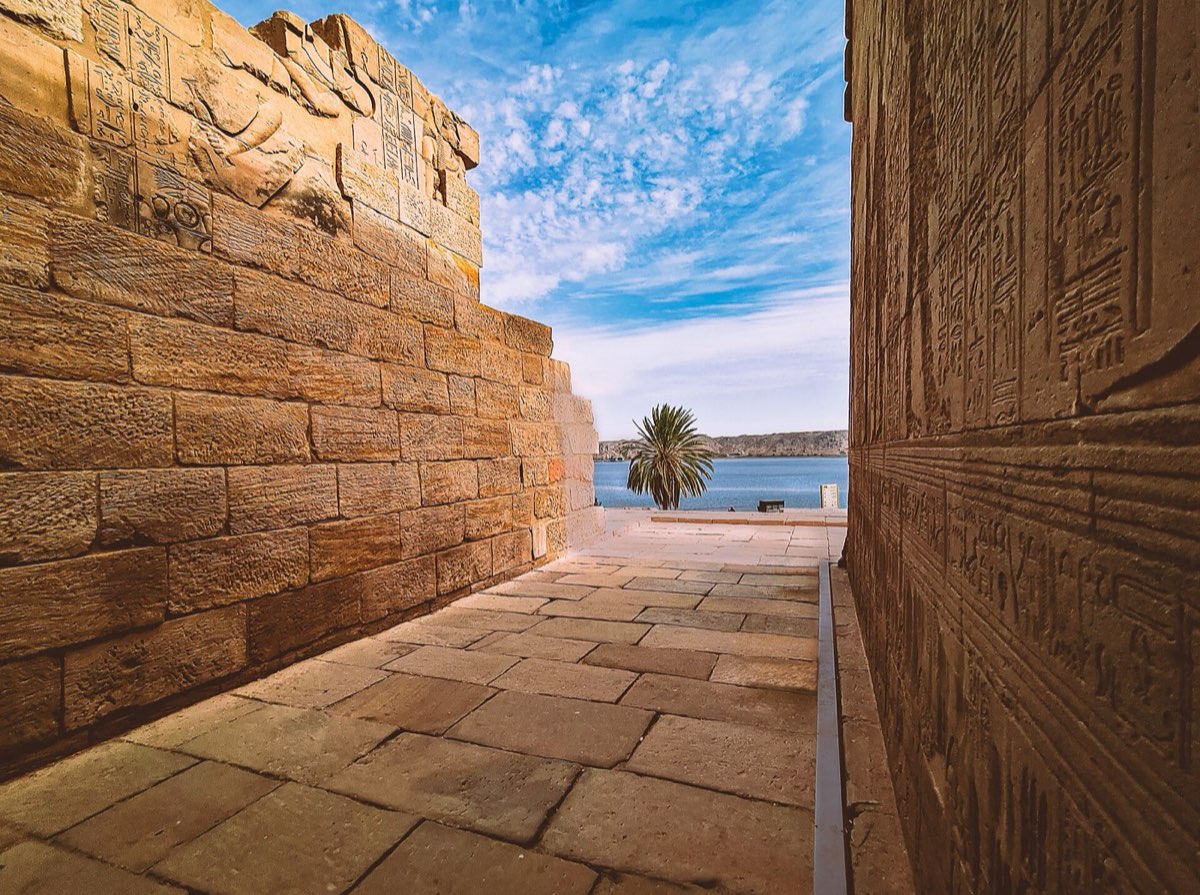
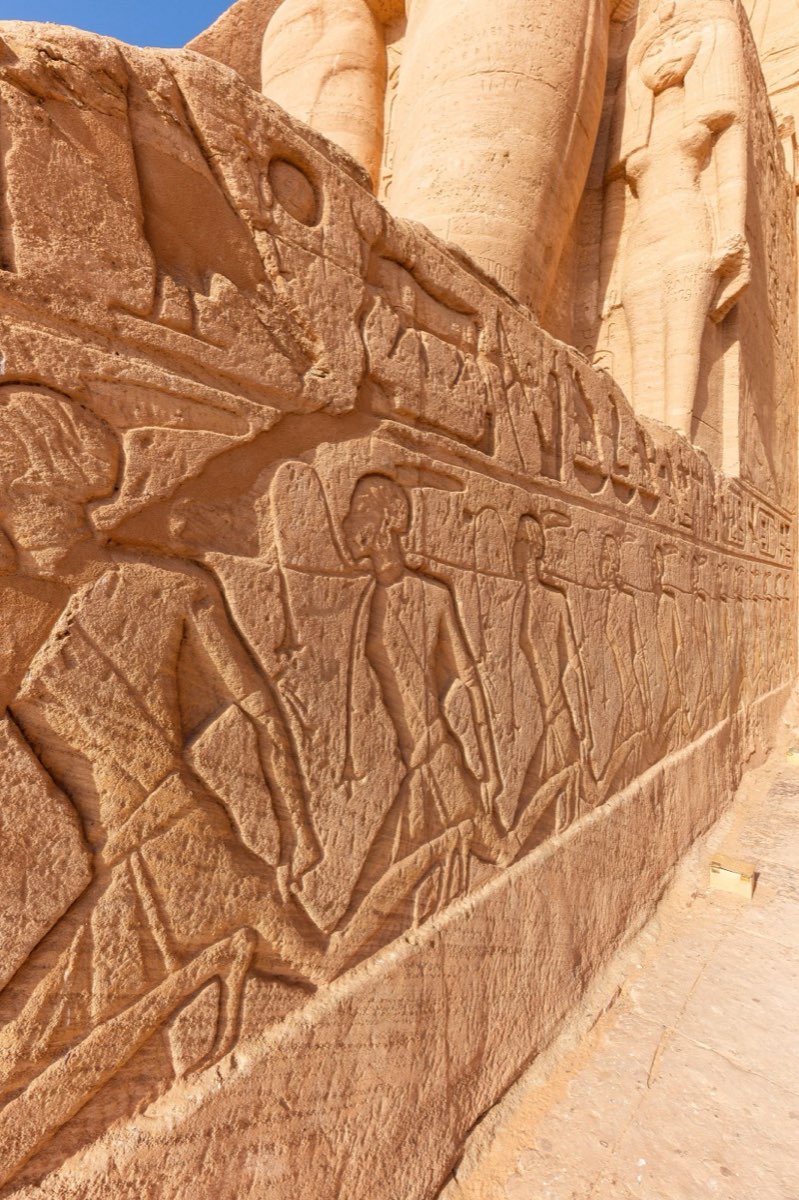
The ancient-sites archive is the largest single standing section of Muse Egypt's published work — thirty-one substantive editorial letters on the pharaonic open-air sites that, unlike the museum collections, are walked rather than browsed. The sites covered include the Giza plateau and its three pyramids, the Saqqara and Dahshur necropoles, the Theban temple complexes at Karnak and Luxor, the royal tomb fields in the Valley of the Kings and the Valley of the Queens, Hatshepsut at Deir el-Bahari, Medinet Habu, the Ramesseum, the Colossi of Memnon, Deir el-Medina, the river-side temples on the Nile-cruise leg (Edfu, Esna, Kom Ombo), the Aswan temples reached by boat (Philae, Kalabsha), Abu Simbel, the Lake Nasser cruise stops, and the temples of Upper Egypt (Dendera, Abydos).

A note on the editorial approach. Open-air pharaonic sites require different attention than museum collections — they are walked, they involve weather, they involve the slow physical fact of standing in a place that has been a place for thirty-five centuries. The letters in this section reflect that. They are typically longer than the museum letters (often twelve to sixteen printed pages), they are more deeply illustrated, and they make more space for the slow tone of an editor who has walked a particular site many times across years. The result is that the ancient-sites archive reads, as a body of work, as a longitudinal study of a small number of important places rather than as a survey of many shallow ones.

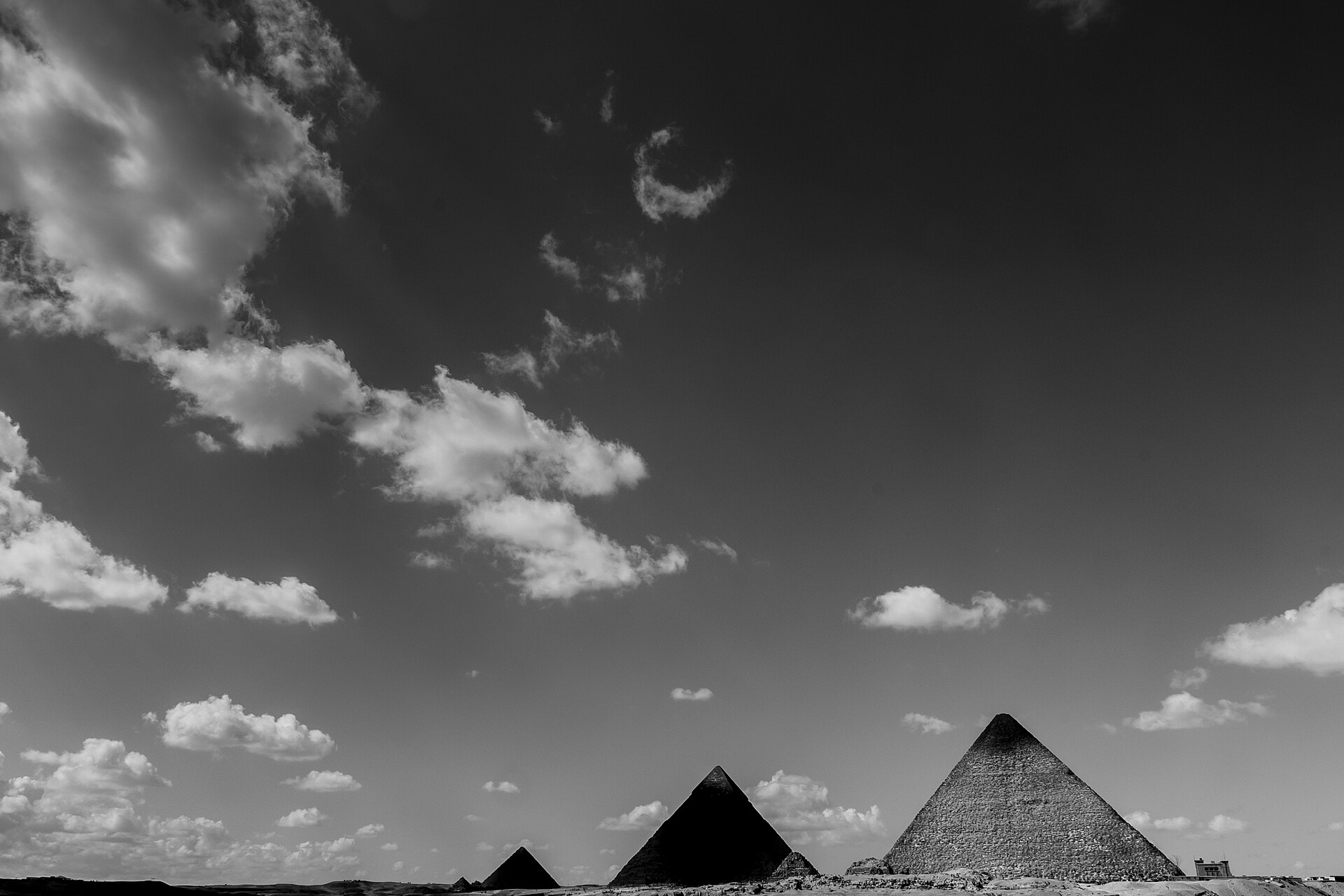
The Pyramids of Giza on the plateau
LETTER 008 / 045 / 077

The Giza pyramids and the Sphinx, three readings

Three Yasmine Farouk letters across seven years. The first (December 2019) is a working introduction to the plateau and its complications. The second (issue 045, March 2024) re-walks the plateau after the new visitor centre opened and the camel-tout situation was partially regularised. The third (issue 077, September 2025) is the longest, written after the night-lighting programme was upgraded — the letter argues that the late-afternoon to blue-hour visit is the under-recommended pattern. Each letter carries plate-quality photographs from a 06:30 visit.

Y.F. · last rotation Apr 2026In the archive →
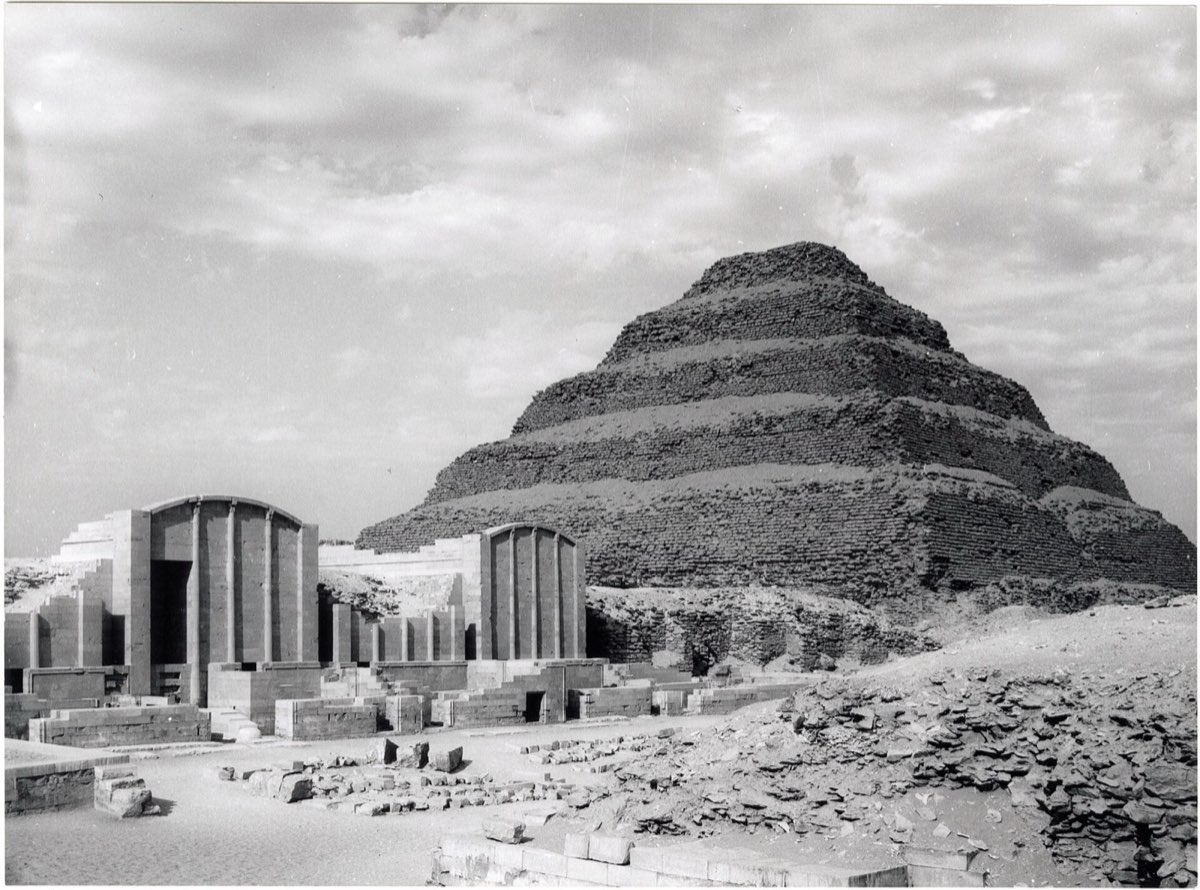
Step Pyramid of Djoser at Saqqara
LETTER 014 / 089

Saqqara and Dahshur, two long letters

Yasmine's two long letters on the Memphis necropolis area. Letter 014 (September 2020) introduces the Djoser complex, the Serapeum, the Tomb of Mereruka, and the southern field tombs that the SCA had begun re-opening in 2019. Letter 089 (December 2025) is the major Dahshur piece — the Bent Pyramid, the Red Pyramid, the Black Pyramid ruins, and the argument that Dahshur is the most under-visited major pyramid site in Egypt. The Dahshur letter is consistently rated by subscribers as the most directly trip-useful piece in the archive.

Y.F. · last rotation Mar 2026In the archive →
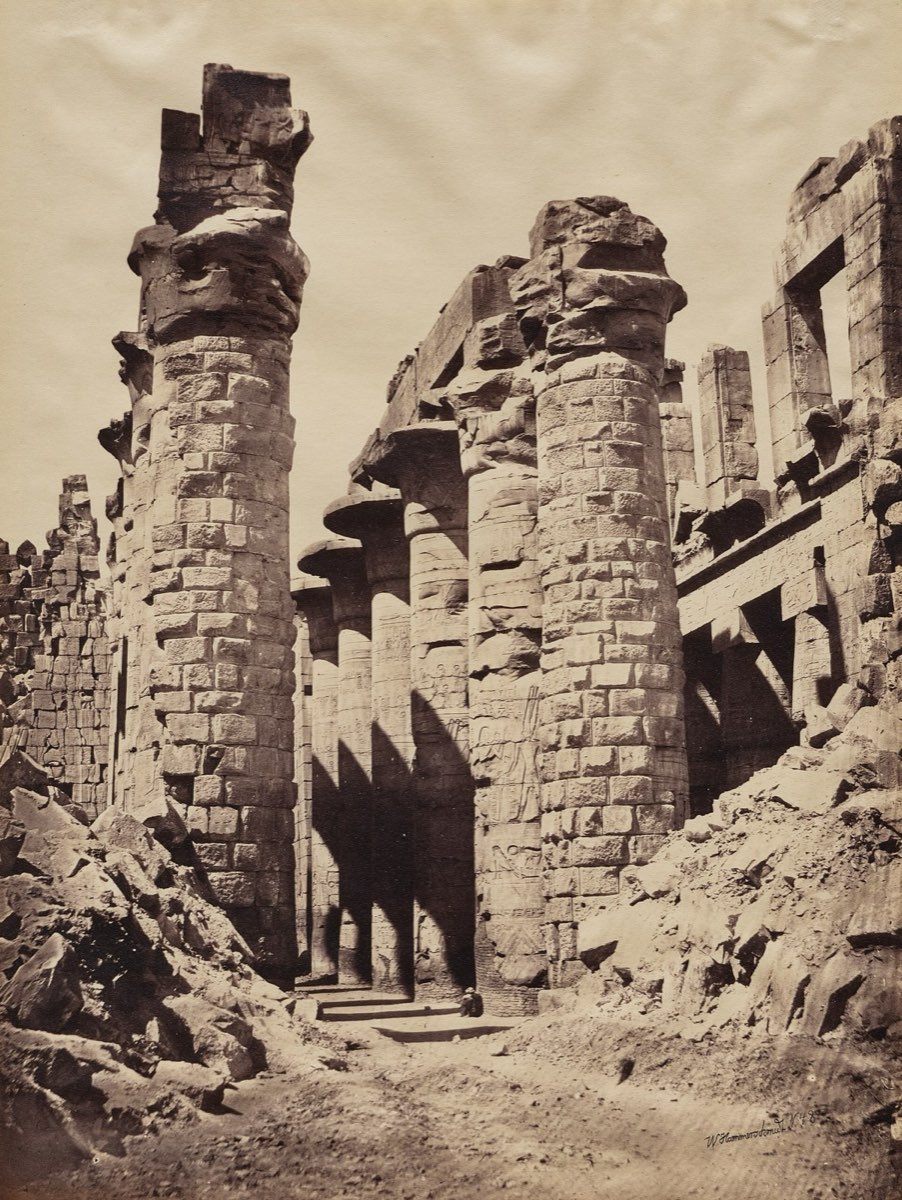
Hypostyle Hall of Karnak Temple
LETTER 005 / 056 / 093

Karnak, three long letters

Tarek Aboul-Naga's three Karnak letters cover, in order: the standard visit pattern and the open-air museum (letter 005, September 2019); the fifty-year anniversary of the talatat reassembly project (letter 056, March 2024); and the spring 2026 lead letter on the eastern wall of the talatat-block reconstruction that opened to visitors in autumn 2025 (letter 093). Read together the three letters trace what is arguably the desk's most consistent editorial line — the conviction that Karnak is best understood through the Akhenaten interruption.

T.A. · last rotation Mar 2026In the archive →
Luxor Temple at the entrance pylon
LETTER 018 / 073

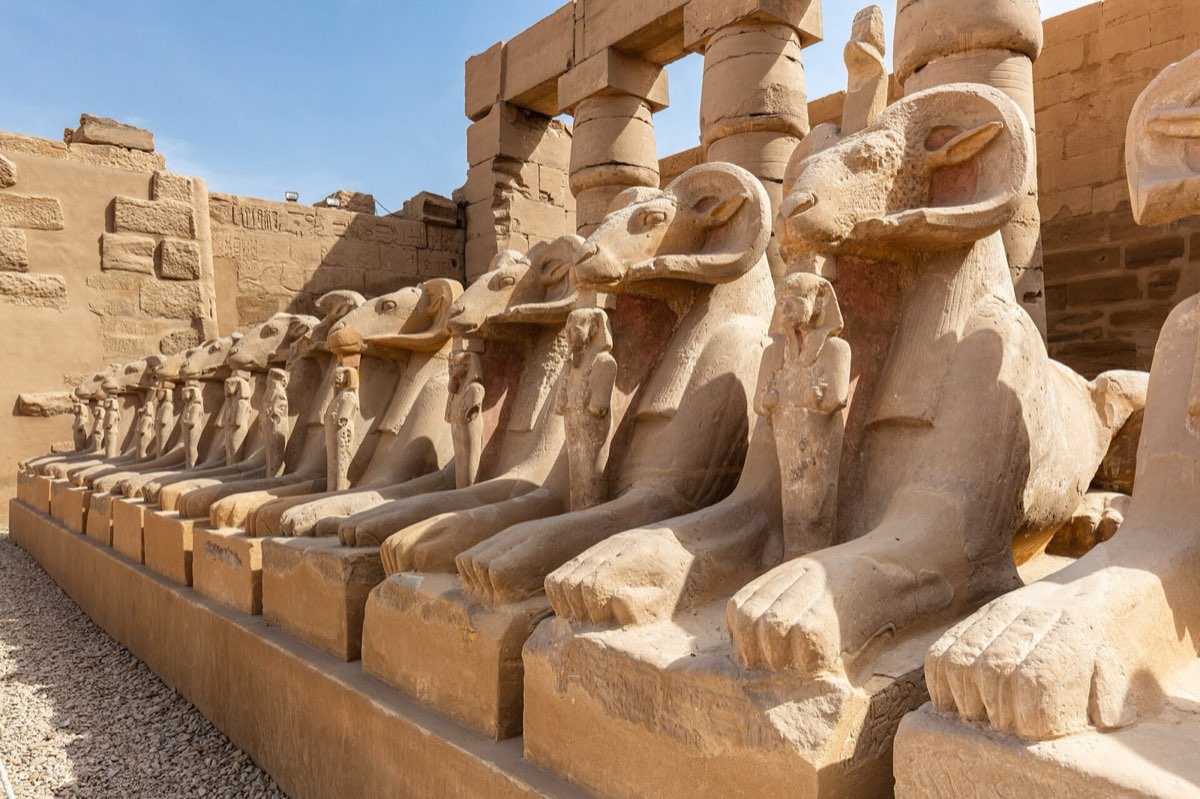
Luxor Temple, the Avenue of Sphinxes, the evening

Tarek's two Luxor Temple letters. The first (issue 011, March 2021) is the standard visit reading — the entrance pylon, the Sun Court of Amenhotep III, the inner sanctuary modified by Alexander the Great, the small Roman chapel. The second (letter 073, September 2024) covers the 2021 reopening of the Avenue of Sphinxes between Karnak and Luxor Temple revisited three years on. The argument across the two letters is that Luxor Temple after dark is the under-recommended visit.

T.A. · last rotation Mar 2026In the archive →
Royal tomb entrance at the Valley of the Kings
LETTER 022 / 095

The Valley of the Kings, the rotation

Mona Habashy's two Valley of the Kings letters. The first (issue 010, June 2022) is the long close reading of the tomb of Seti I (KV17), the desk's longest single letter to date — sixteen printed pages on a single tomb. The second (letter 095, March 2026) is the twelve-month review of the SCA tomb-rotation cycle that opened KV5 (the sons of Ramses II) and rotated Tutankhamun to the closed list. The two letters together form a working diptych on the past and the present of the valley.

M.H. · last rotation Apr 2026In the archive →
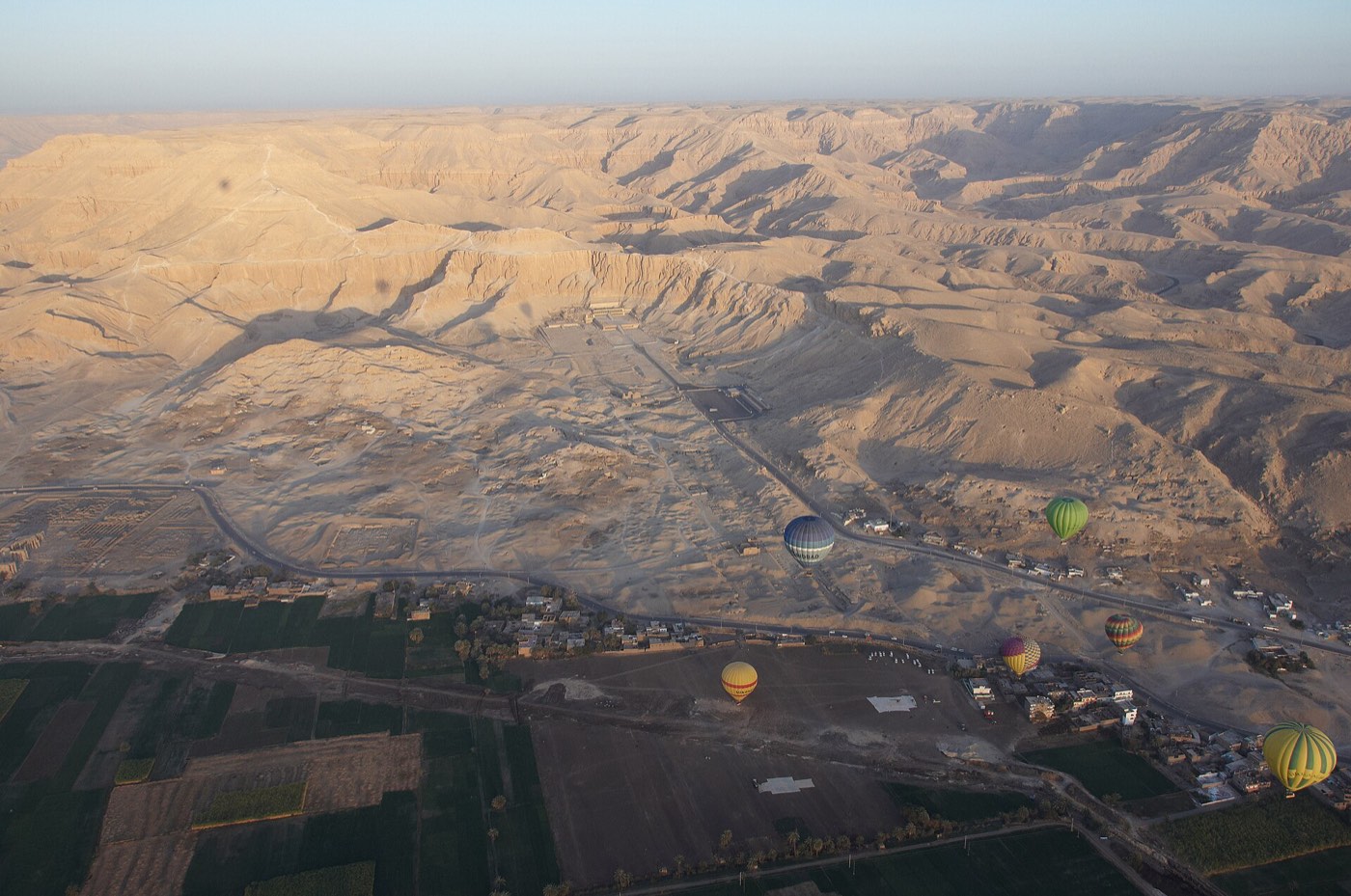
Terraced temple of Hatshepsut at Deir el-Bahari
LETTER 015 / 070

Hatshepsut at Deir el-Bahari, two readings

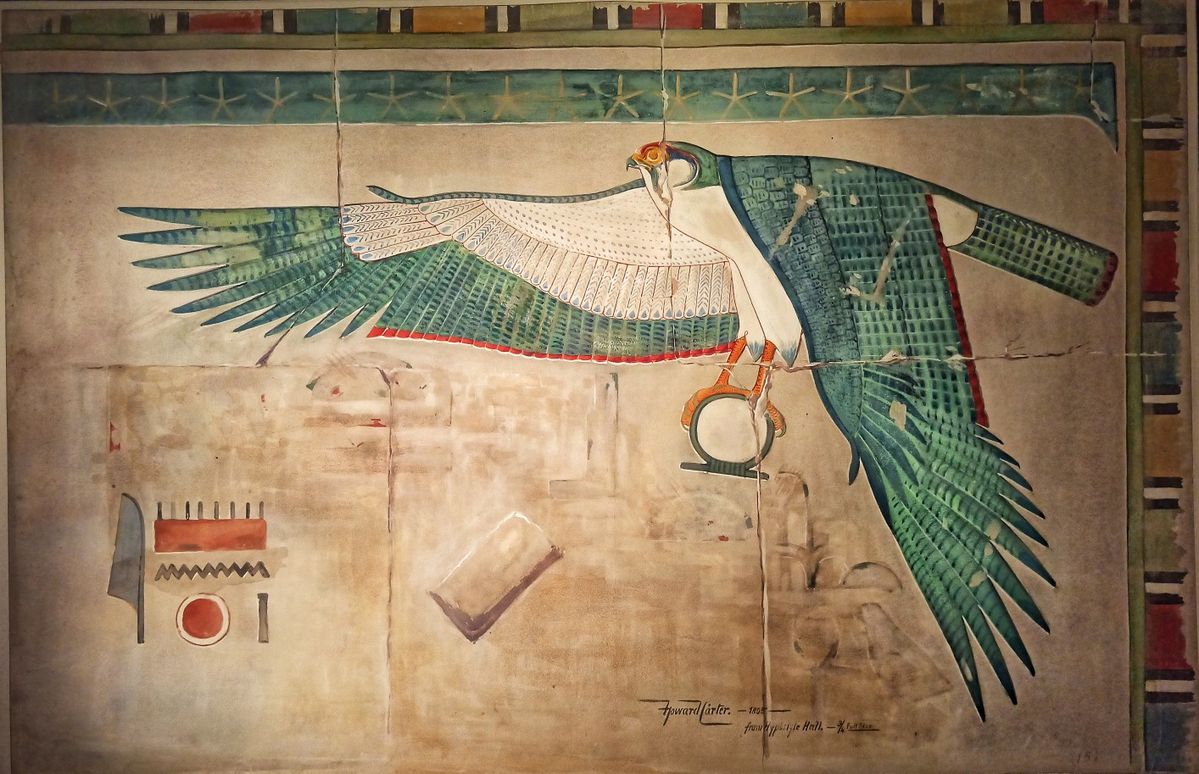
Mona's two Hatshepsut letters cover the same temple at different stages of the editorial relationship. The first (issue 008, December 2020) is the introductory reading: the Punt expedition relief, the Howard Carter drawings, the back wall of the upper terrace. The second (letter 070, June 2025) is the post-restoration revisit after the 2021–2024 cleaning campaign on the chapel of Anubis. The piece quotes two of the conservators on the rationale for the choices that the cleaning made visible.

M.H. · last rotation Mar 2026In the archive →
Medinet Habu temple of Ramses III
LETTER 038

Medinet Habu — the Sea Peoples relief

Tarek's March 2023 piece on Medinet Habu, the mortuary temple of Ramses III on the Luxor west bank. The Sea Peoples relief on the outer enclosure — the most complete battle-narrative relief in Egyptian art — read alongside Manfred Bietak's Aegean correspondences. The letter argues that Medinet Habu remains the most under-visited major west-bank site, and that its colour preservation is the technical reason it deserves the third visit slot after the Valley and Hatshepsut.

T.A. · last rotation Mar 2026In the archive →
Philae Temple at Agilkia Island
LETTER 009 / 064

Philae and the boat approach

Mona's two Philae letters. The first (issue 004, March 2020) argues for the morning visit and against the sound-and-light show, with a long footnote on the 1960s UNESCO relocation. The second (letter 064, June 2025) revisits the boat-approach economics and the late-afternoon light. The boat fares have moved with the EGP exchange rate; the corrections column has a running update on the negotiated rate from the southern landing.

M.H. · last rotation Feb 2026In the archive →
Abu Simbel temple of Ramses II
LETTER 024 / 080

Abu Simbel by convoy, twice

Mona's two Abu Simbel letters argue for the road convoy from Aswan rather than the morning flight. Letter 024 (September 2022) is the first long reading, including the smaller temple of Nefertari. Letter 080 (December 2025) revisits the equinox-alignment ticket window (22 October and 22 February) after the SCA tightened the same-year booking rules. Both letters include the lake-side photograph from the rest stop that you cannot get from a hotel-arranged car.

M.H. · last rotation Feb 2026In the archive →
Edfu temple of Horus pylon
LETTER 062

Edfu, Esna, Kom Ombo — read on foot

Mona's March 2025 letter on the three Nile-cruise leg temples reached not by cruise but by train and taxi. A deliberate counter-recommendation: the independent visit pattern works, and the on-board cruise is for the company and the calm rather than the temple time. Edfu (the most intact Ptolemaic temple), Esna (the smallest, the most damaged, but the recent ceiling cleaning is striking), Kom Ombo (the double temple, best at sunset).

M.H. · last rotation Feb 2026In the archive →
Dendera temple of Hathor astronomical ceiling
LETTER 067

Dendera, the Hathor ceiling

Mona's March 2025 letter on Dendera, the temple of Hathor in the Sohag governorate — three hours by road from Luxor. The painted astronomical ceiling of the hypostyle hall, restored to near-original brightness in the 2018–2021 cleaning campaign, is one of the most striking single ceilings in Egyptian architecture. The letter pairs Dendera with Abydos for the long but rewarding day from Luxor.

M.H. · last rotation Mar 2026In the archive →
Dahshur Bent Pyramid
LETTER 089

Dahshur, the Bent and the Red Pyramids

Yasmine's December 2025 long letter on Dahshur, the most under-visited major pyramid site in Egypt. The Red Pyramid interior (the slope is gentle, 60 m descent, the chamber is genuinely impressive), the Bent Pyramid exterior, the Black Pyramid ruins. The letter argues that Dahshur is the right pairing with Saqqara for the classic half-day from Cairo, and that the absence of tour buses is the entire point.
Y.F. · last rotation Mar 2026In the archive →

The shorter site letters — a working index

Beyond the twelve major letters above, the ancient-sites archive carries nineteen shorter letters on individual tombs, lesser-known temple complexes, and the secondary west-bank sites. The full texts are in the printed quarterly back-issues and the subscriber-access online archive; the short index below lists each with the issue number, the responsible editor and a one-line working description.

  • 011

    The Sphinx, the chin and the restoration politics

    Yasmine's short piece on the Sphinx as a free-standing subject — the chin restoration controversy of the 1980s and the broader question of conservation politics on the Giza plateau.

    Y.F. · Mar 2021
  • 020

    The Ramesseum, the fallen colossus

    Tarek on the Ramesseum, the mortuary temple of Ramses II — the fallen statue that inspired Shelley's Ozymandias, and the under-visited courtyard reliefs.

    T.A. · Mar 2022
  • 025

    The Colossi of Memnon, before the visit

    Tarek's short photo-essay piece on the Colossi of Memnon — the seated statues that mark the entrance to the Theban necropolis. Best as a five-minute first stop on a west-bank morning.

    T.A. · Dec 2022
  • 031

    Deir el-Medina — the workers' village

    Mona on Deir el-Medina, the workers' village whose tombs are some of the most personally decorated in Egyptian archaeology. Sennedjem, Pashedu, Inherkau.

    M.H. · Sep 2023
  • 036

    Abydos, the Osireion

    Tarek's long-overdue letter on Abydos — the cult centre of Osiris, the Seti I temple with the King List, and the Osireion that sits behind it. Three hours by road from Luxor, pairs with Dendera.

    T.A. · Dec 2023
  • 043

    The Valley of the Queens, Nefertari

    Mona on the Valley of the Queens and the tomb of Nefertari — the most colour-preserved royal tomb in Egypt, with the photography rules updated April 2026.

    M.H. · Jun 2024
  • 050

    The Tombs of the Nobles

    Mona on the upper-class tombs of the Theban west bank — Rekhmire, Ramose, Nakht — that show the everyday-life scenes the royal tombs rarely do.

    M.H. · Dec 2024
  • 058

    Kalabsha Temple at the Aswan dam

    Mona on the lesser-known Kalabsha Temple, relocated to a small island in Lake Nasser during the 1960s UNESCO campaign. Reachable by boat from the dam.

    M.H. · Jun 2024

The walking discipline of the editorial

Ancient sites in Egypt are walked in heat, in dust, in the specific physical conditions that the open-air pharaonic monuments occupy on the Theban west bank or the Nubian south. The editorial discipline that produces the letters in this section is, before anything else, the discipline of the walk. Every editor at Muse Egypt walks the site they are about to write about at least twice within the press cycle of the issue that will carry the letter — once for reconnaissance, once for the photograph and the working draft. Both visits are at the editor's own expense; press passes and comped tickets are refused as a matter of editorial policy, as set out in the about page.

The Theban west bank in particular requires a kind of walking that is not easily reproduced from a desk reading. The shade gradient on a long visit to the Valley of the Kings — from the cool tomb interior to the radiant rock outside — is one of the working data points that the letters incorporate. The Karnak Hypostyle Hall in the first hour after opening, when the staff have finished their cleaning round and the buses have not yet arrived, is a different building than the Hypostyle Hall at 10:30. The Hatshepsut middle terrace at sunset, with the cliff face throwing a long shadow across the carved upper register, is again different. The letters in this section attempt to register those differences in writing, and the photographs in the printed quarterly attempt to register them visually.

Pair this archive with museum letters for the institutional collections, with route plans for the working day plans that combine multiple sites, and with calendar watch for the month-by-month weather and crowd guidance that informs every site visit. The traveller's checks covers the practical visa, water and dress-code basics that apply across all sites. Subscribers who write to the desk with a specific question about a single site letter usually get a reply from the editor who walked it.

The ancient-sites letters rotate twice a year

March rotation covers the spring and summer season; September rotation covers autumn and winter. The printed quarterly carries the most current letter; the online standing-section carries the merged text with correction notes appended.

Subscribe to the quarterly