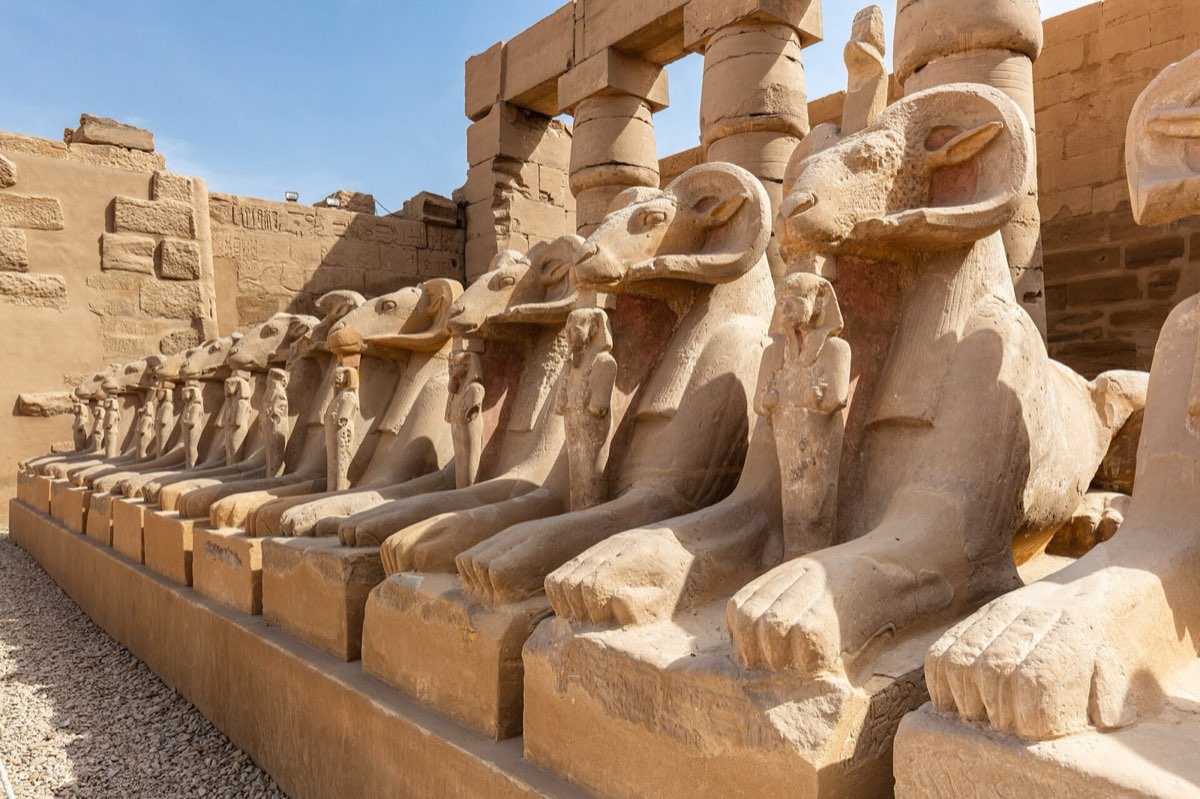
LETTER 047 / 092
The Grand Egyptian Museum, three readings
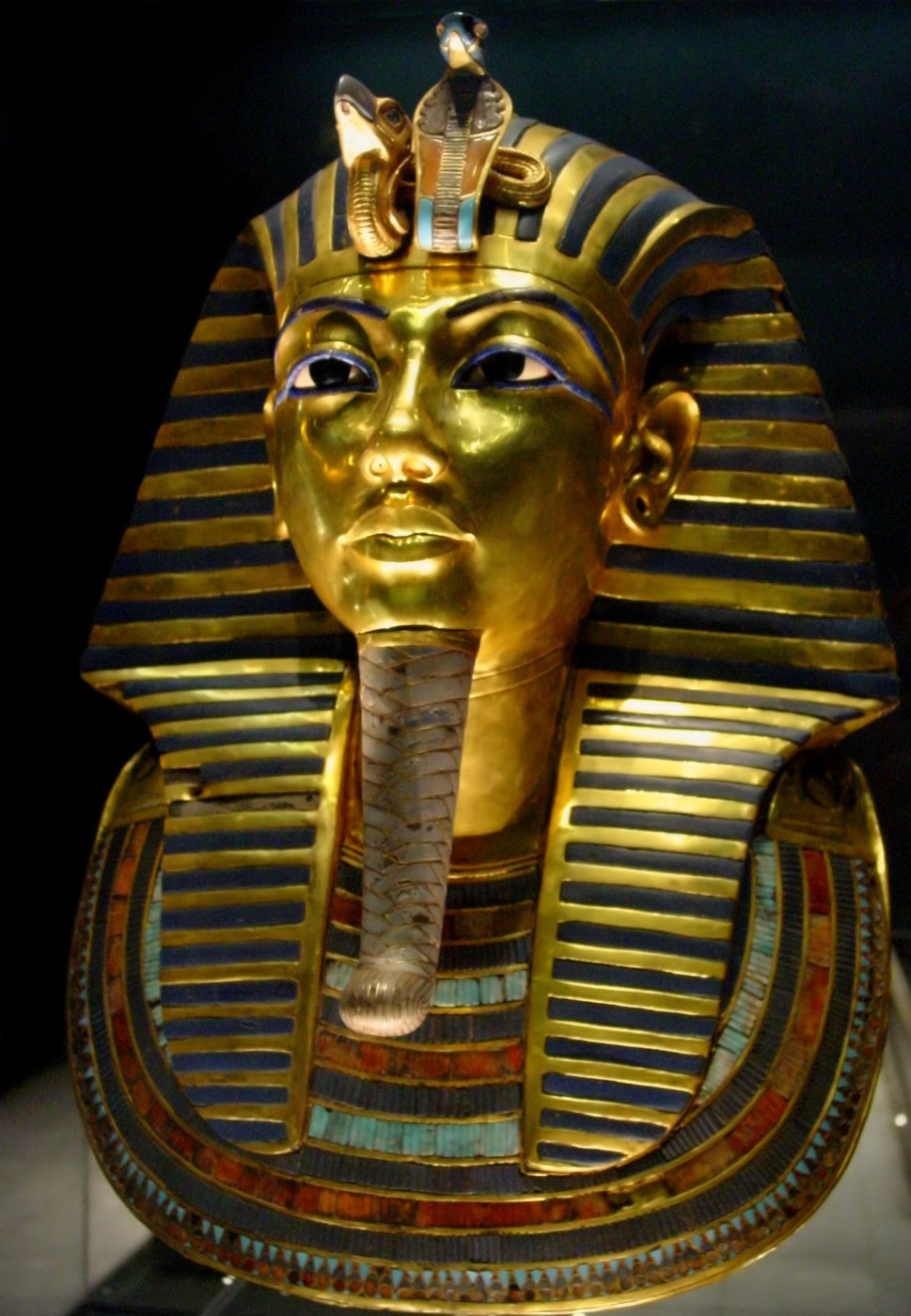
Yasmine Farouk's three lead letters on the GEM cover the public soft-opening (autumn 2024, letter 047), the Tutankhamun gallery opening (winter 2024), and the post-relocation reading of the collection (spring 2026, letter 092). The three together trace the museum's transition from controversial scaffolding to working civic institution. The spring 2026 letter is the one most subscribers have written in about; the gold-mask room photographed at 06:30 is the plate that closes the issue.
LETTER 001 / 088
The Egyptian Museum at Tahrir, four readings
The Tahrir museum was the subject of Muse Egypt's first lead letter (March 2019). The four letters to date — issue 001, 015, 056 and 088 — track the institution through the proposed move, the partial transfer of the Tutankhamun collection to the GEM in 2022, the post-transfer survival of the second-floor jewellery rooms, and the autumn 2025 re-curation of the ground-floor everyday-life cases. Yasmine's argument across the four letters is that the Tahrir museum remains a deeply rewarding place to spend two careful hours.
LETTER 068
The National Museum of Egyptian Civilisation, two years on
Yasmine's June 2025 letter is the longest single piece in the archive on NMEC. The Royal Mummies Hall, the social-history wing, the temporary exhibitions cycle, and a long footnote on how the institution found its feet after the 2021 royal mummies parade. The piece quotes three of the curators on the next phase of the building. A correction was filed in autumn 2025 on the rotation dates for the lower-floor textile gallery; the corrected text is in the standing version.
LETTER 021
The Coptic Museum at the Hanging Church gate
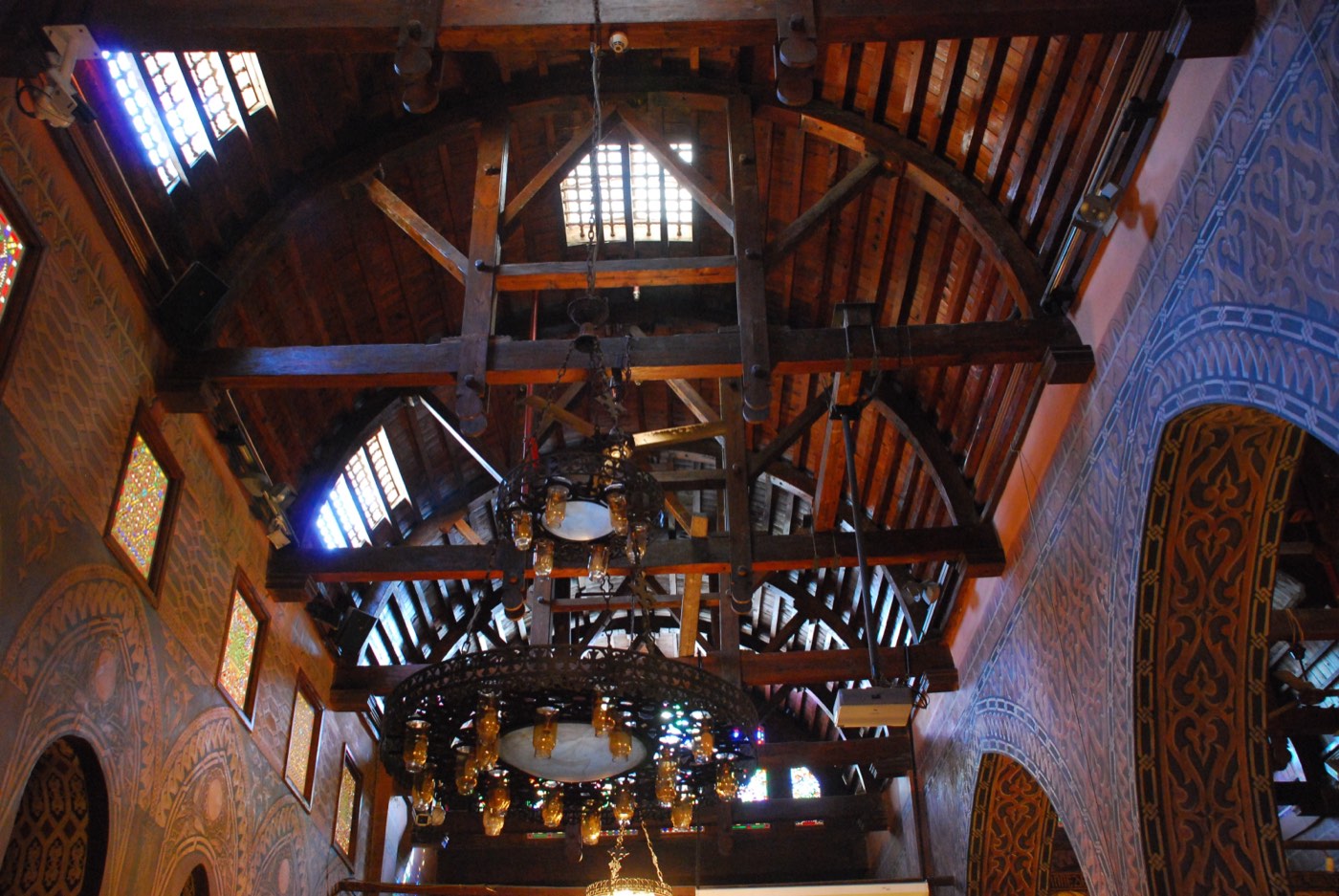
Lana Mahmoud's first letter for Muse Egypt, written in March 2022. The Nag Hammadi codices on the upper floor, the early Christian textiles, the architectural relationship between the museum and the adjacent Hanging Church. The letter argues — and the subsequent reader correspondence confirmed — that the museum is best visited on the way back from the Hanging Church rather than before, when the visitor has the historical context to make the textiles legible.
LETTER 034
The Museum of Islamic Art after the 2014 bombing restoration
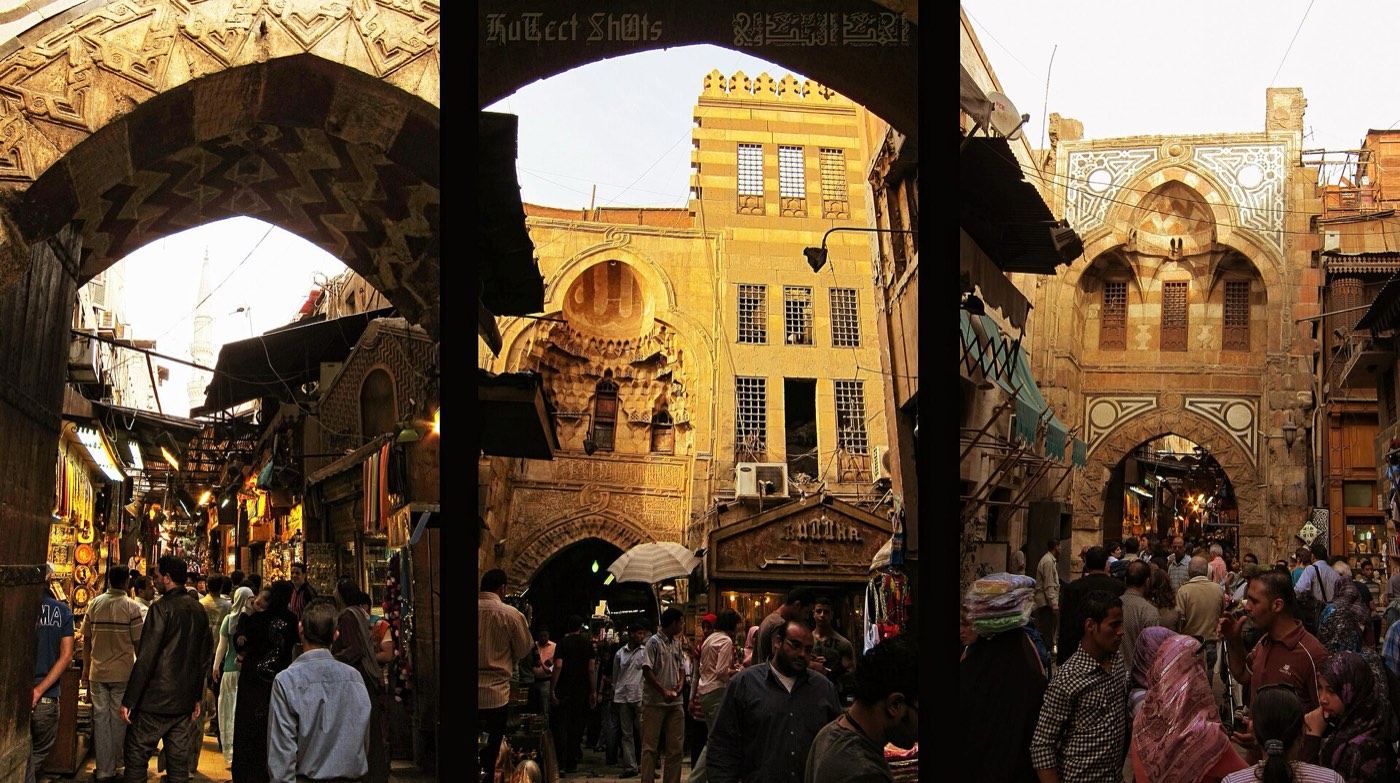
Lana's June 2023 letter on the Museum of Islamic Art a decade after the January 2014 bombing that damaged the upper floor. The Mamluk metalwork gallery, restored and re-opened in stages between 2017 and 2022. The Quranic-manuscript room. The wood mashrabiyya screens on the upper level. The letter notes which conservation choices the museum made publicly visible (the seam between original and restoration in the metalwork) and which it concealed (the textile annex re-mount).
LETTER 012
The Bibliotheca Alexandrina as a working library
Lana's June 2020 letter — written during the pandemic-restricted opening — argues for reading the Bibliotheca primarily as a working research library rather than as a tourist attraction, and treating the four embedded museums (Antiquities, Manuscript, Sadat, History of Science) as the secondary visit. The reading is unusual and was contested in the subsequent correction column; Lana stands by it five years later.
LETTER 033
The Greco-Roman Museum, post-restoration
Lana walked the Greco-Roman Museum twice in the weeks after its October 2023 re-opening — once on the public opening day, once a month later when the visitor flow had settled. The letter is the desk's longest single piece on a post-restoration institution. The Tanagra figurines (the largest collection outside Athens), the Serapeum head, the Hellenistic-period jewellery cases, the curators' decisions on the new vitrine architecture. A working-paper appendix discussed the cataloguing changes that the closure made possible.
LETTER 026
The Luxor Museum, the cachette
Tarek Aboul-Naga's December 2022 letter on the Luxor Museum, focused on the cachette of Luxor Temple statues — the cache of nearly-intact statuary uncovered in 1989 during the routine consolidation work on the temple's Sun Court. The letter pairs the archaeological circumstances of the find with the curatorial choices the museum made when displaying the statues a year later. The piece is one of the desk's most-cited in academic correspondence.
LETTER 037
The Luxor Mummification Museum, a quiet recommendation
Tarek's short March 2024 letter on the small Mummification Museum on the Luxor corniche. The canopic-jar sequence, the mummified animals room, the explanatory wall on the embalming process. The letter argues that the museum is consistently undersold by guidebook listings and works best as an early-evening companion visit to the Luxor Museum next door.
LETTER 041
The Nubian Museum, the January annual
Mona Habashy writes a Nubian Museum letter every January — three to date, with the fourth scheduled for issue 029 in summer 2026. The letters take the museum as a working subject across years rather than as a one-off visit. The rescue-archaeology wing, the contemporary-culture room, the open-air courtyard, the curators' rotation plans, and the slow accumulation of new objects from the post-1960s salvage archive that the museum holds in reserve.
LETTER 054
The Royal Jewellery Museum, the palace and the pieces
Lana's December 2024 letter on the Royal Jewellery Museum in Alexandria — the Mohamed Ali family collection of 11,000 pieces of European-style royal jewellery, displayed inside a former princess palace in Zizinia. The stained-glass windows of the palace, the letter argues, are as much of the visit as the collection. The piece prompted three reader-correction letters on dating questions about specific pieces.
LETTER 061
The Alexandria National Museum, three centuries in a villa
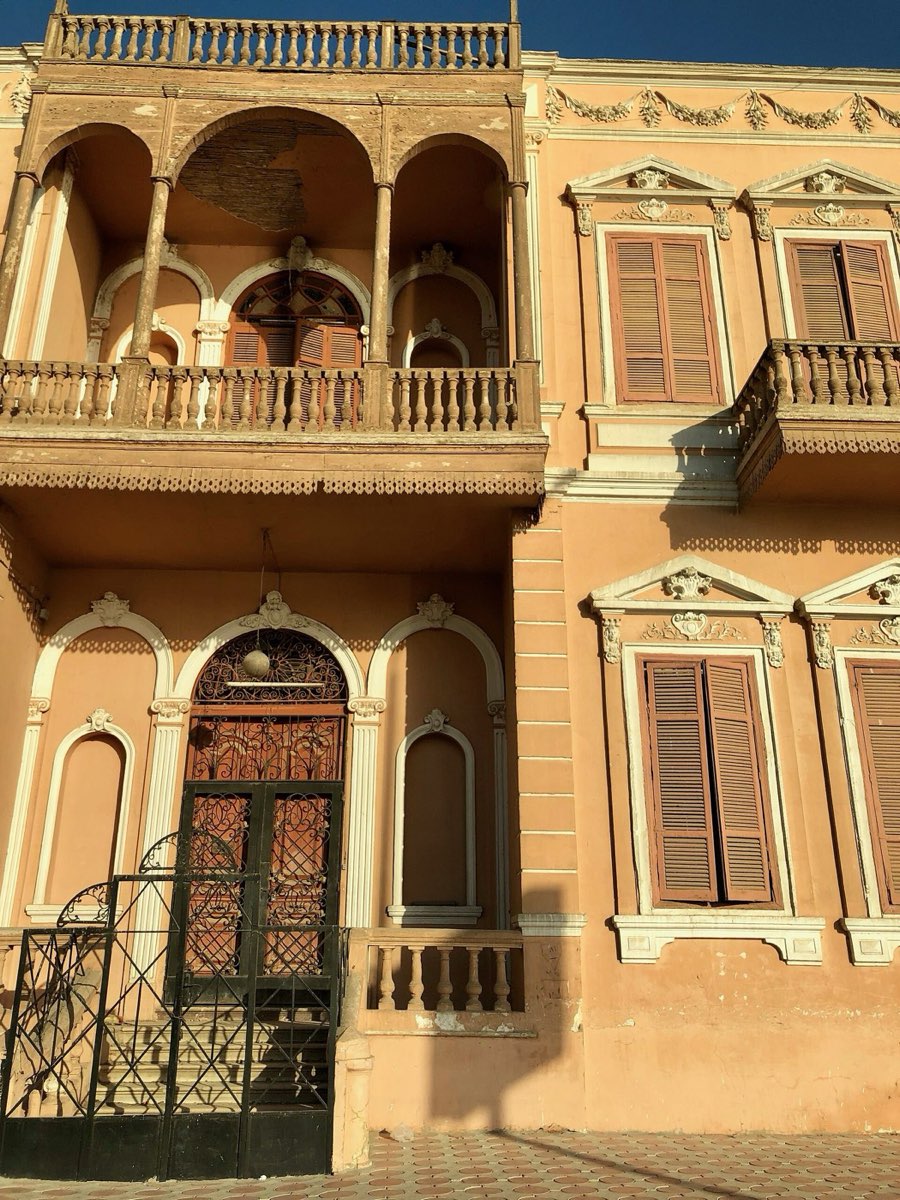
Lana's December 2024 letter on the Alexandria National Museum — the under-visited museum housed in the former Asaad Bassili Pasha villa on Tarik el-Horreya, with a focused collection of Greco-Roman, Coptic and Islamic-era pieces presented chronologically across three floors. The letter argues that the museum is the right second Alexandrian museum to add after the Bibliotheca; not the Greco-Roman Museum, which most readers default to.