Seven standing sections
Where each letter goes after the printed issue
After the printed quarterly is posted, every letter is indexed against the seven standing online sections — the working archive for readers planning a trip or revisiting a previous issue. The seven sections correspond to the seven editorial beats the newsletter covers across the year. Each section is curated as a guide to a specific reader question: which collection to visit, which open-air site to walk, which route to plan, which region to read first. Below is the seven-section index with a working description of each.
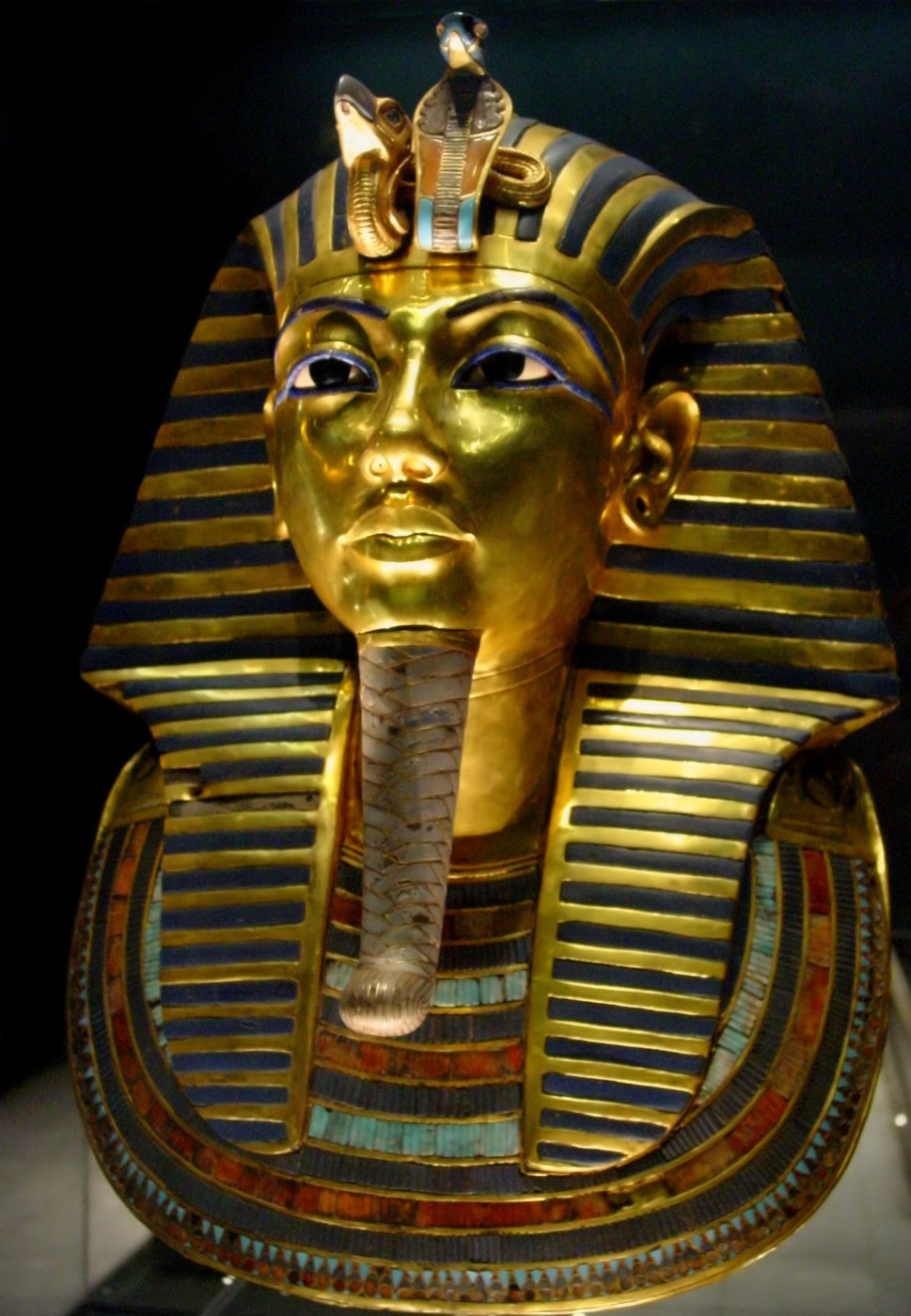
Letters on permanent collections — the Grand Egyptian Museum, the Egyptian Museum on Tahrir, the National Museum of Egyptian Civilisation, the Coptic Museum, the Museum of Islamic Art, the Bibliotheca Alexandrina annexes and the regional collections in Luxor, Aswan and the Nubian south. Eighteen letters in the archive.
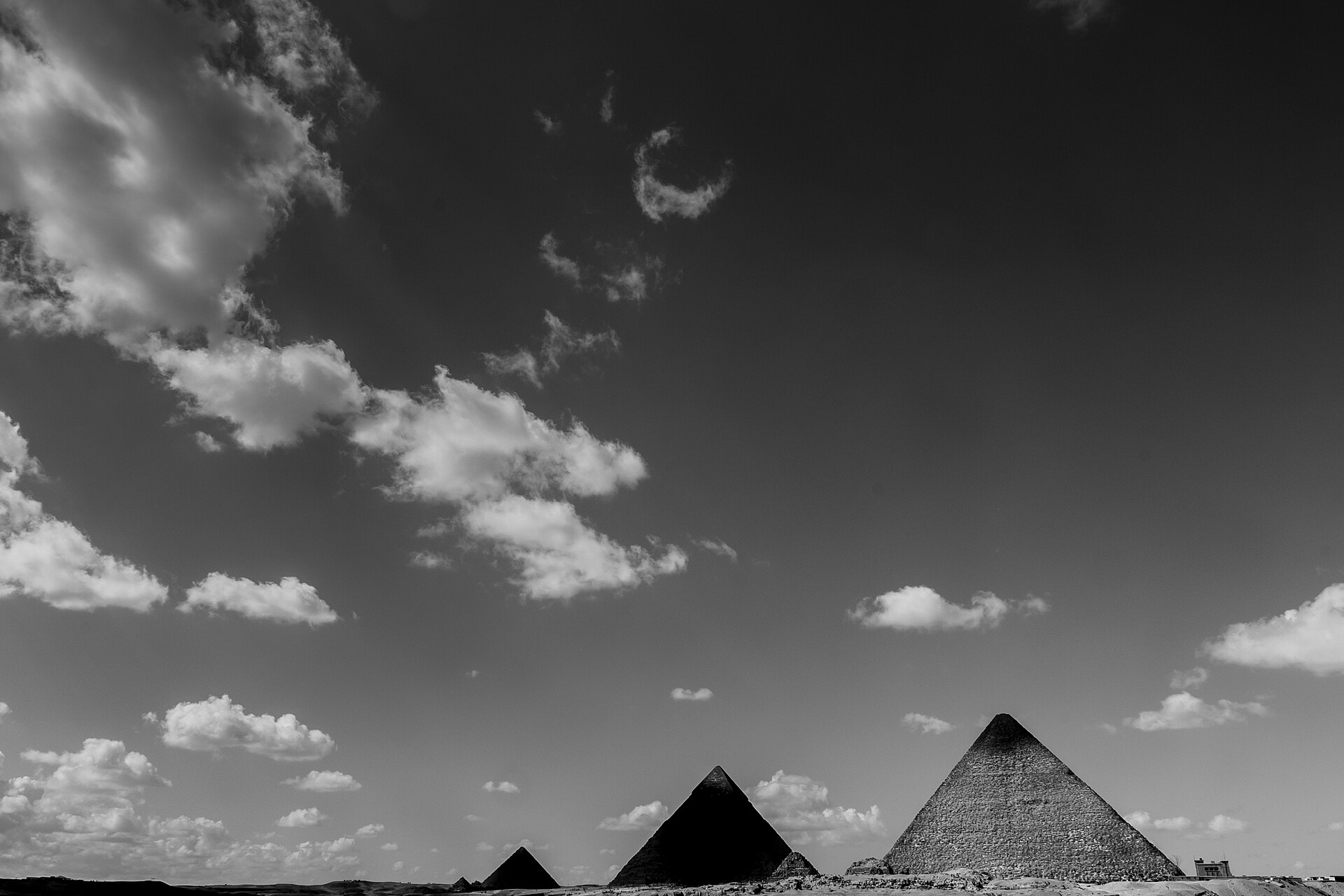
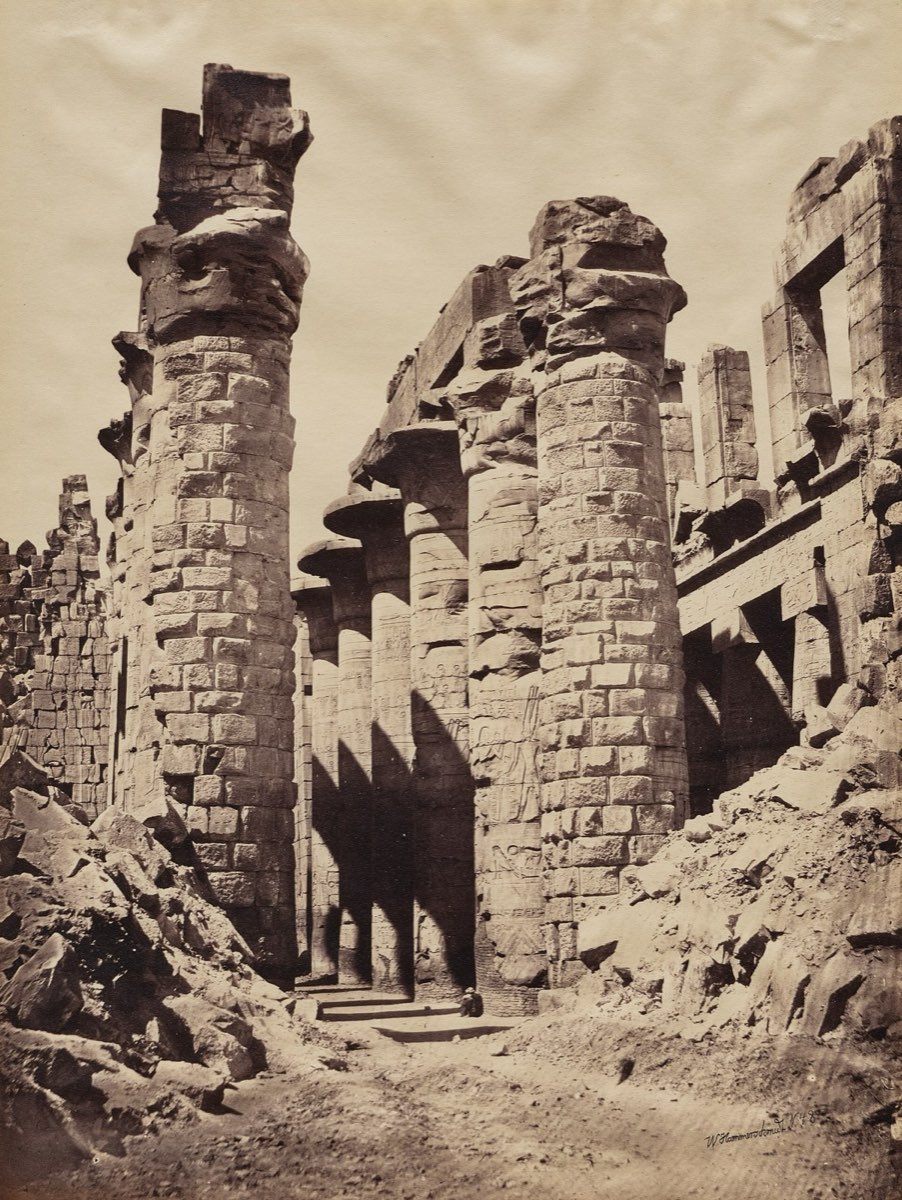
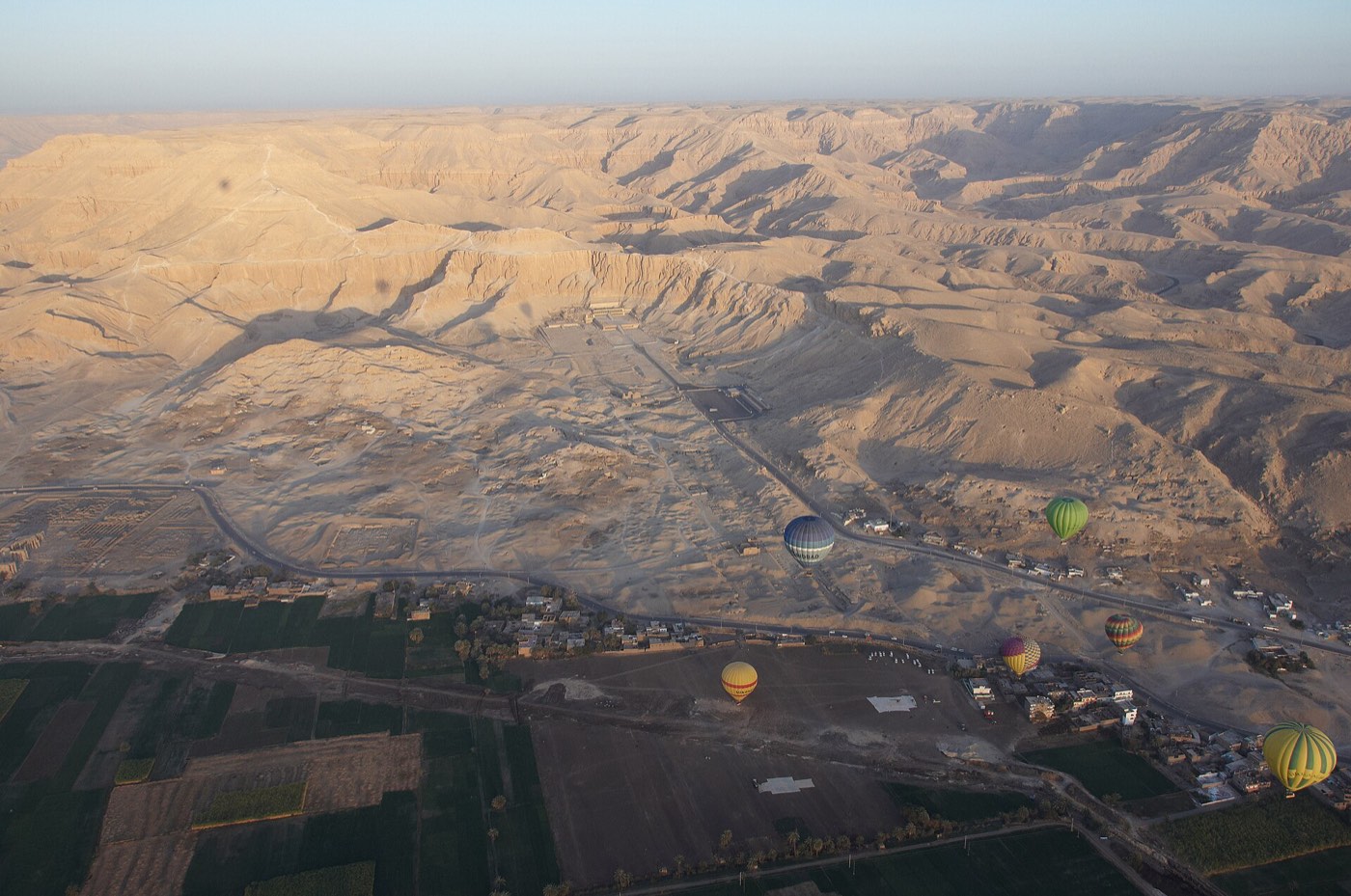
Pharaonic open-air sites — the Giza plateau, Saqqara, Dahshur, Karnak, Luxor Temple, the Valley of the Kings and Queens, Hatshepsut, Medinet Habu, Philae, Abu Simbel, Edfu, Esna, Kom Ombo, Dendera, Abydos, and the lesser tomb fields. The largest single section in the archive: thirty-one letters.
Worked one-day, three-day and week-long itineraries through Cairo, Luxor, Aswan, Alexandria, and the Sinai. Each plan is built around the editor's actual walked route on a specific date, with the meal stops, taxi costs and shade considerations recorded as part of the record.
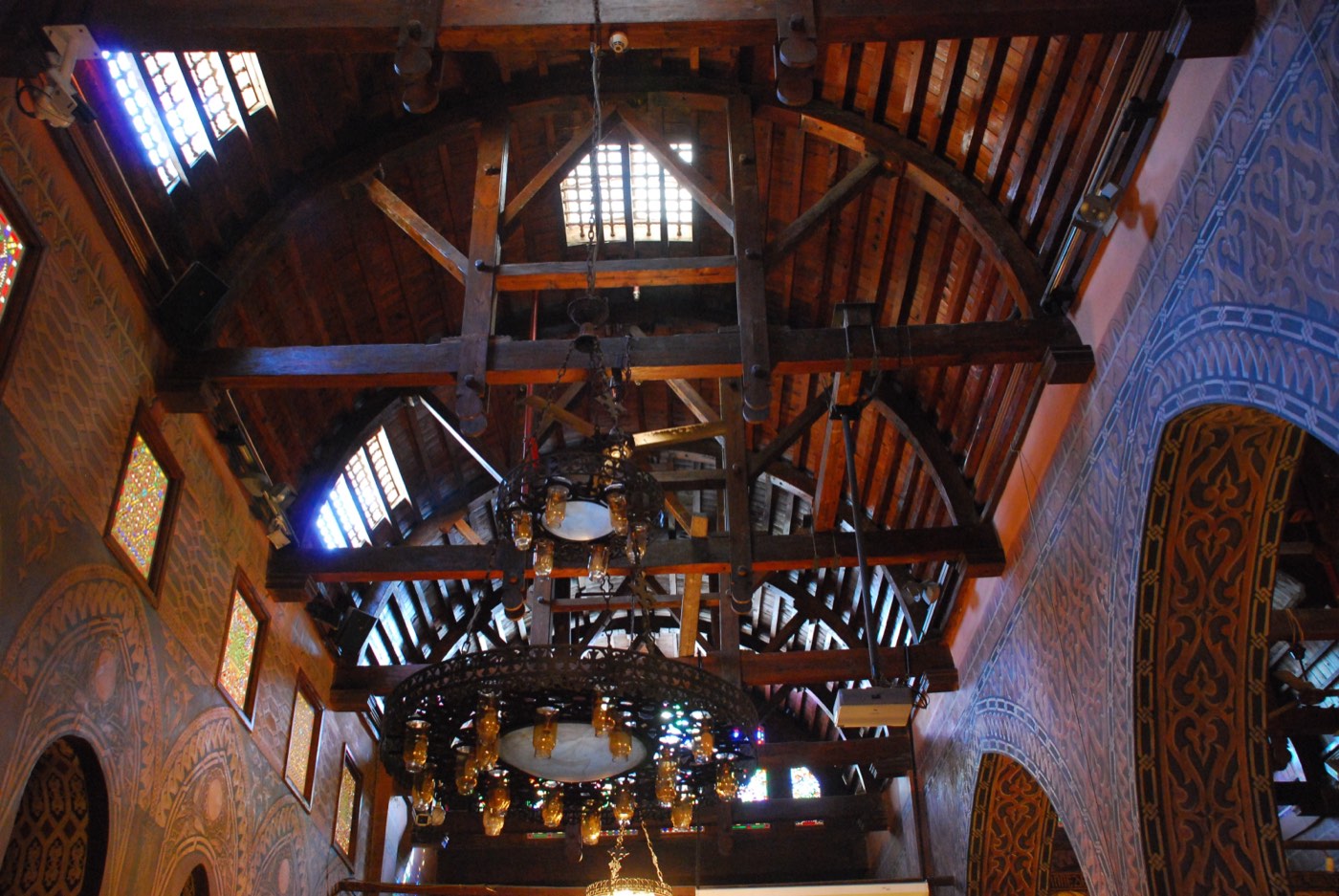
City-level and region-level letters — Coptic Cairo, Islamic Cairo, the Khan and the bazaars, the Cairo corniche, Alexandria as a Mediterranean reading, the Luxor west bank, Aswan and Nubia, the Western Desert oases, the Sinai interior. Sixteen letters.
The practical material — visa rules, SIM cards, currency, taxi rates, dress code, water safety, tipping, working week, language basics. Re-rotated twice a year because the numbers move with the exchange rate and the visa-policy news.
The Egyptian heritage calendar — Coptic Christmas, the equinox alignments at Abu Simbel, Ramadan, Eid timings, the cruise-season opening, the Saharan dust-storm window, the museum closure dates. Re-issued every six months ahead of the season.
Letters specifically for travelling families — which museums have interactive rooms, which sites work with under-twelves, the realistic attention windows, the kid-friendly restaurants near each site, and the family-trip patterns that survive the heat.