Muse EgyptHeritage Letters
Kids and teens

Egypt with children, honestly — what works and what does not.

This section gathers Muse Egypt's family-travel letters into a single working index. The letters below address what genuinely works in Egypt with children between four and twelve and with teenagers — which museums have interactive rooms, which sites have shade, which temple loses children fast, which restaurants near each site have a kids' menu, which afternoon plan saves the day from melt-down. The letters were written by editors who have walked these sites with their own children, not from a wishful chair. The patterns and recommendations are honest about the heat, the long taxi rides, the limited public stroller infrastructure, and the genuine attention-span windows that under-twelves can sustain at heritage sites.

The biggest mistake families make in Egypt is over-scheduling. Two cultural items per day with kids is the maximum; one is better. The afternoon nap or pool break between 13:00 and 16:00 is not optional in summer; in winter it can be replaced with a slow lunch and a long walk. The cards below are calibrated to that reality. Where they recommend a site for kids, they also flag the genuine attention-span window — most major Egyptian sites give 60 to 90 minutes of engaged child attention and then become a struggle. Plan around the window, not against it.

Tutankhamun mask in the GEM
LETTER F1

The Grand Egyptian Museum children's wing

The single best museum visit for kids in Egypt. The GEM children's wing has genuine interactive displays — touch-tables, dress-up stations, a simplified hieroglyph game, a model-building corner. The wider museum is too big for children, but the children's wing alone is worth a two-hour visit. Attention window: 90 minutes with a snack break. Combined ticket: GEM-with-children's-wing supplement is EGP 200 per child. Café: the museum café has a kids' menu and is the only museum café in Cairo we recommend. Best time: 08:30 opening, before the school groups arrive at 10:30.

Last rotation Apr 2026In the archive →
Giza pyramids and the Sphinx
LETTER F2

The Giza pyramids with kids

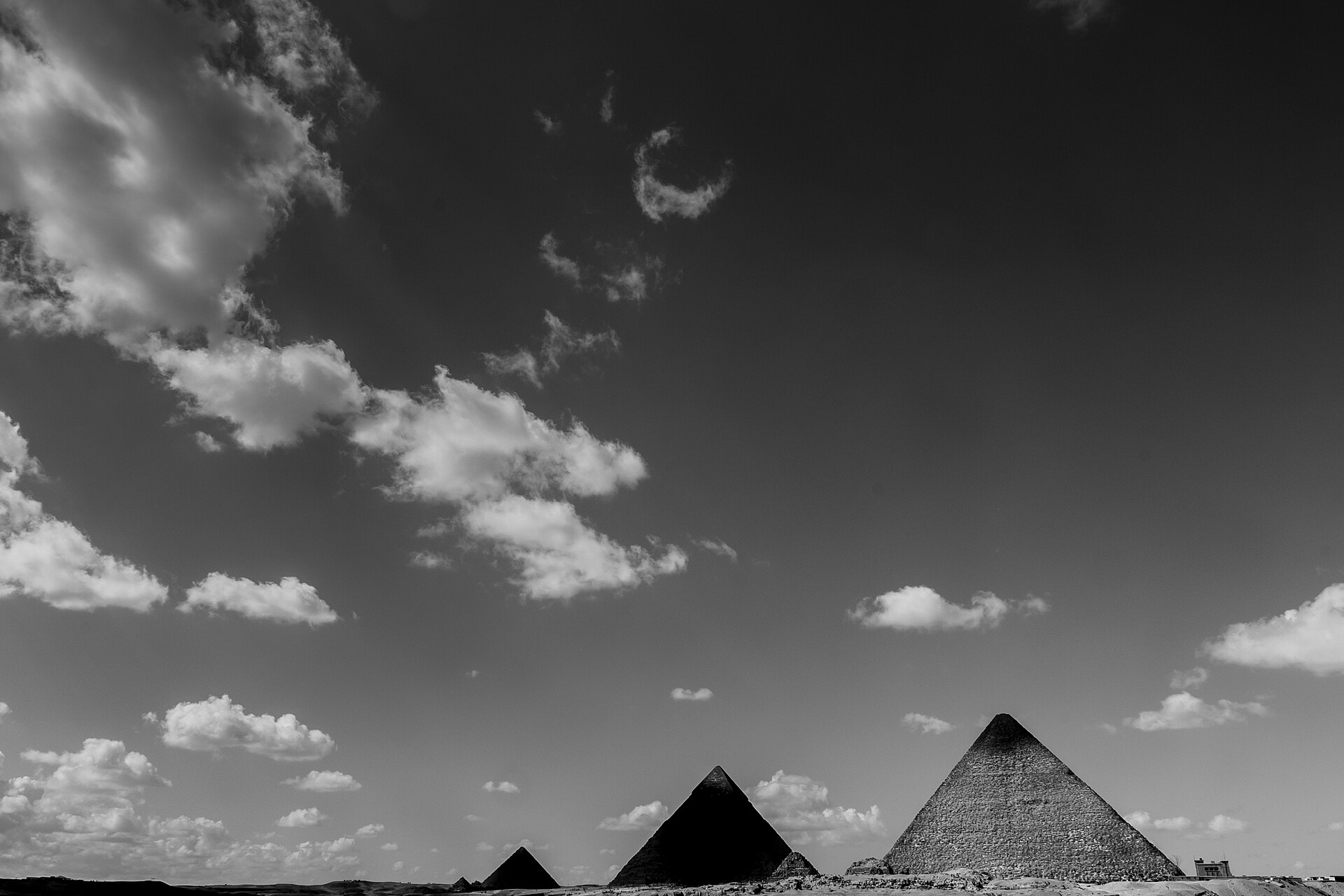
The pyramids work brilliantly for kids — the scale alone holds their attention without needing the historical context. Camel rides at EGP 200 per child negotiated; twenty minutes is enough. Sphinx amphitheatre is the obvious photograph. Inside Khufu: recommended only for kids 8+ and not claustrophobic — the Grand Gallery is narrow and the air is stale. Skip: the camel touts who insist on photos in costume — overpriced, exhausting, the photo is rarely good. Attention window: two hours including the camel and the Sphinx. Best time: 06:45 entry, back at hotel by 11:00 in summer.

Last rotation Apr 2026In the archive →
NMEC Royal Mummies Hall
LETTER F3

NMEC and the Royal Mummies Hall

The Royal Mummies Hall is the room every child remembers from an Egyptian visit. The mummies are presented in a dim, dramatic chamber that holds even six-year-old attention for twenty minutes — which is, by family-travel standards, an eternity. Younger kids (4-6): may be frightened — preview with a photo before entering. Wider museum: the social-history gallery has model villages and replicas that work for hands-on engagement. Attention window: 90 minutes total. Café: outside the museum at the lake-side terrace; simple kids' fare. Best time: 09:00 opening, weekday.

Last rotation Mar 2026In the archive →
Felucca on the Nile in Luxor
LETTER F4

The Luxor felucca and the corniche

Luxor temples are not a child highlight; the felucca is. Hire a small felucca at the southern corniche for an hour (EGP 200 negotiated, captain plus boat). Kids love the boat, the wind, the captain (usually friendly to children) and the lack of structure. Pair with: the Banana Island crossing — the captain takes you to a small banana plantation; kids get to eat the bananas straight off the trees (EGP 50 per person additional). Skip: sunset cruises with on-board dinner — overpriced and the food disappoints. Best time: 16:00 departure for the sunset light.

Last rotation Apr 2026In the archive →
Nubian Museum Aswan
LETTER F5

The Nubian Museum, Aswan

The most child-friendly museum south of Cairo. The open-air courtyard with reconstructed Nubian dwellings is essentially a playground with educational value. Inside, the rescue-archaeology hall is dramatic without being scary — children grasp the relocation story easily. Attention window: 90 minutes including the courtyard. Best time: the 17:00 evening session when the air is cool and the museum is quiet. Skip: the gift shop, predictably. Pair with: a late dinner at the Old Cataract terrace if your hotel budget allows it; kids find the view spectacular.

Last rotation Feb 2026In the archive →
Khan el-Khalili evening
LETTER F6

Khan el-Khalili with kids

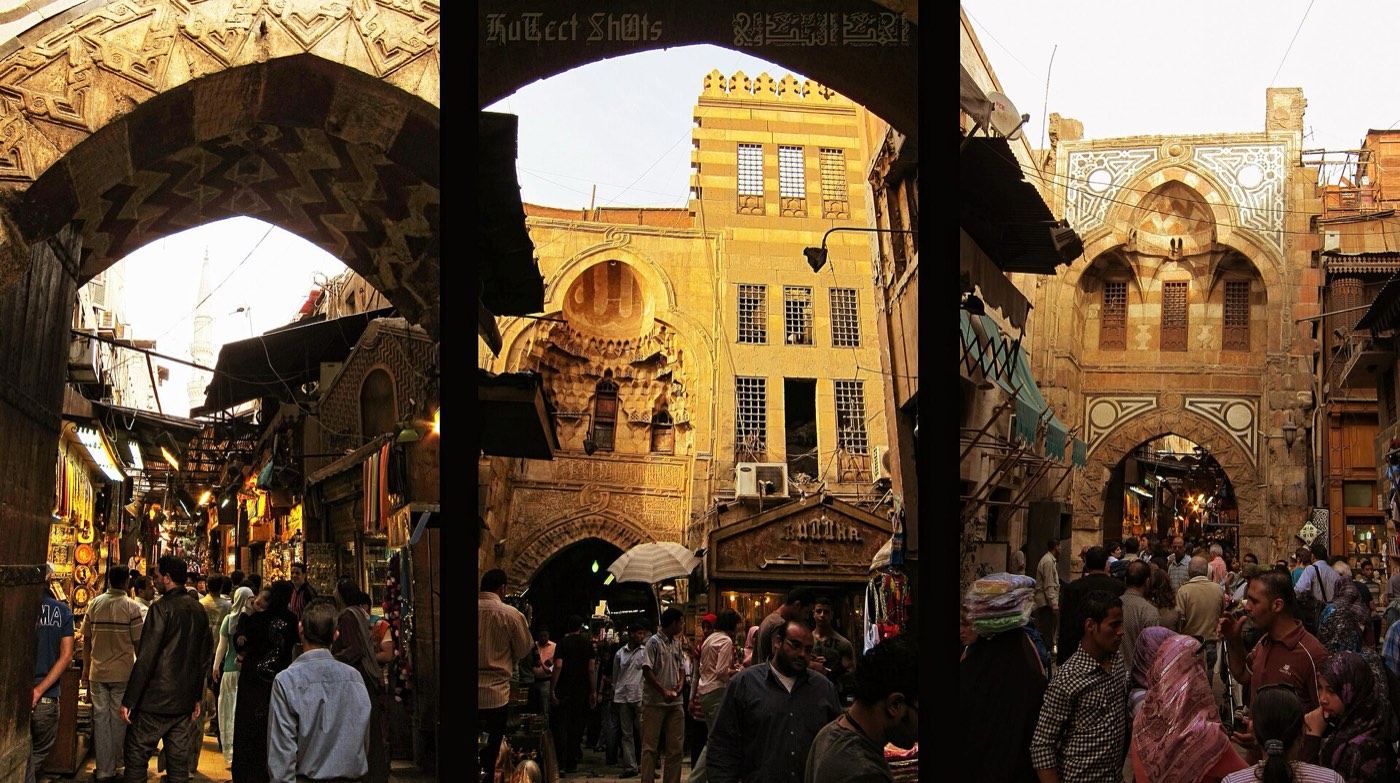
The Khan after dark is theatre, and theatre works for kids. The narrow lanes, the brass-and-copper alley, the lamp shops, the spice corners, the calls of vendors — kids find it overwhelming in a good way for about an hour, then they tire. Pace: aim for one purposeful stop (a brass lamp, a small ceramic) so the visit has a goal. Skip: negotiating prices in front of kids — they find it stressful. Pick the shop ahead. Dinner: Khan el-Khalili Restaurant has a kids' menu and a sheltered terrace. Best time: 18:00 arrival, dinner at 19:30, leave by 20:30.

Last rotation Apr 2026In the archive →
Bibliotheca Alexandrina exterior
LETTER F7

The Bibliotheca's planetarium

The Bibliotheca complex includes a planetarium that runs daily 45-minute kids' shows in English, French and Arabic. It is the rare combination of a science attraction in a humanities city, and it works for ages 7+. Inside the main library: the children's reading section has English-language picture books and is open to visitors. Pair with: a walk on the Alexandrian corniche — the cool Mediterranean breeze is a relief from the Cairo heat. Skip: trying to explain Hellenistic library history to a 6-year-old; show them the sloping reading room and leave it at that.

Last rotation Mar 2026In the archive →
Snorkelling at Ras Mohammed
LETTER F8

Snorkelling at Ras Mohammed

The single best activity for kids on a Red Sea family trip. Ras Mohammed National Park has shallow-reef sites where kids 7+ can snorkel safely with parental supervision. Cost: EGP 600 per adult, EGP 400 per child for a day-trip from Sharm el-Sheikh including park fee, boat, lunch and snorkel kit. Operators: Sinai Divers and Camel Dive Club are the consistently safe choices; avoid no-name boats from Naama beach. Equipment: bring a UV-protective rash vest — the sun on a boat is brutal. Skip: dolphin-watching offerings; they are mostly false promises.

Last rotation Jan 2026In the archive →
Family at the GEM
LETTER F9

A family-friendly day in Cairo, worked through

08:00 taxi to GEM (EGP 200 in light early traffic). 08:30-10:30 GEM children's wing. 11:00 snack at the GEM café. 12:00 back to hotel for nap or pool. 16:00 camel ride at the Giza plateau (EGP 200 per child). 17:30 Sphinx amphitheatre. 19:00 early dinner near the hotel. Total day cost EGP 1,500 adult / EGP 600 child. The pattern is realistic because the children's attention is spent before lunch and the afternoon is recovery-then-light-engagement.

Last rotation Apr 2026In the archive →
Valley of the Kings tomb entrance
LETTER F10

Sites to skip with young children

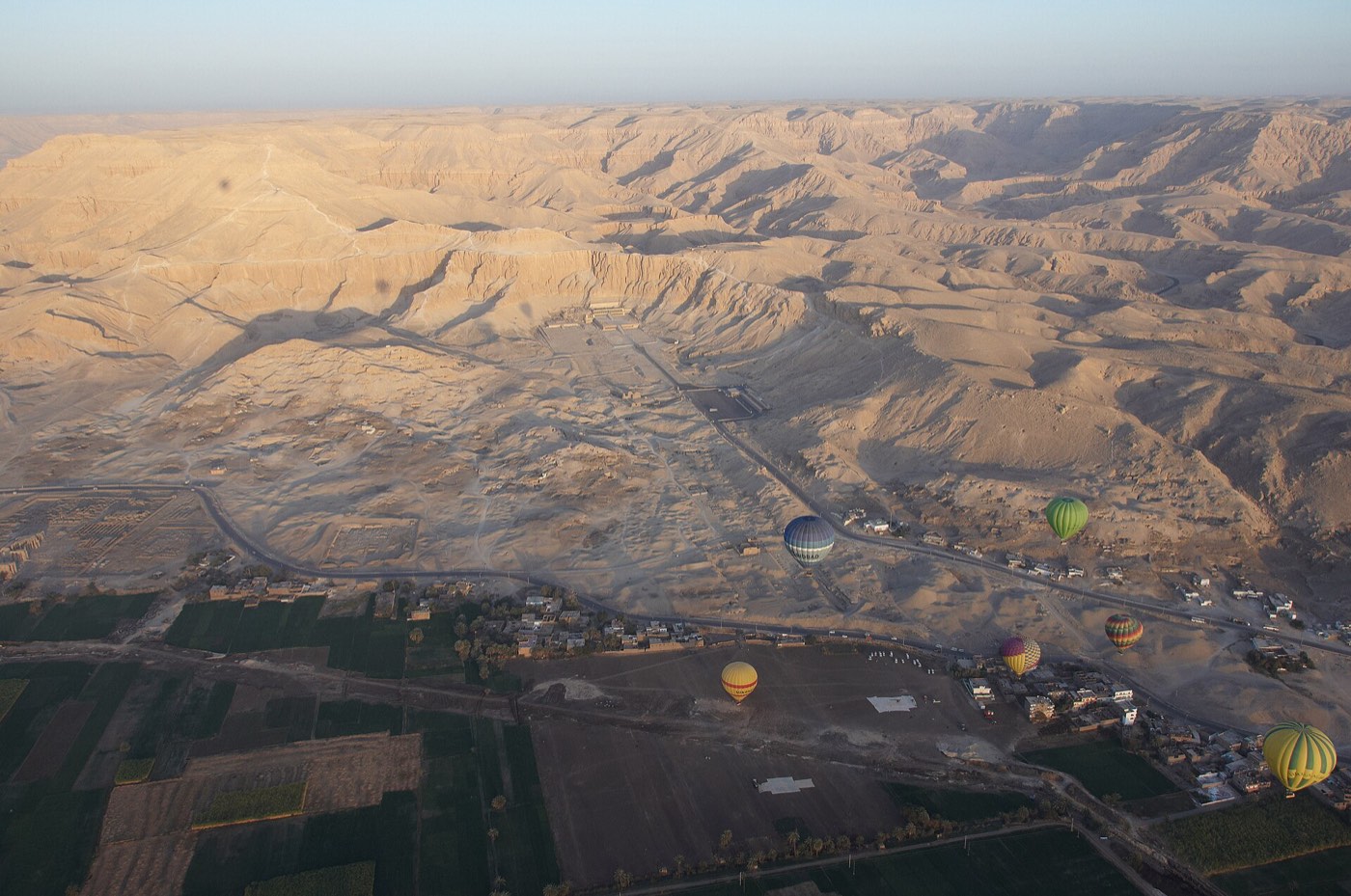
The Valley of the Kings — tombs are narrow, hot, dim, often steep; not for under-tens. Karnak in summer — heat is unforgiving; if you must, go at 07:00 and leave by 09:00. The Tahrir Museum basement — humid, dim, cramped, no benches. Abu Simbel — the 04:00 convoy and the four-hour drive are punishing for young children; consider the flight (EGP 4,500 per child) or save it for a future trip. The Tutankhamun supplement at the Valley — the tomb is tiny and disappointing for kids who have seen the GEM Tut wing. The Saqqara Serapeum — underground passages dark and confusing for kids under nine.
Last rotation Apr 2026In the archive →

Practical kid-travel rules the desk uses

  • One cultural item per dayTwo is the maximum, one is better. Build the rest of the day around it.
  • Afternoon down-time is sacredBetween 13:00 and 16:00 the hotel pool or air-conditioned room is non-negotiable in summer. Even in winter, a slow lunch and a long walk replaces afternoon site visits.
  • Snacks alwaysEgyptian kid-tolerant snacks: bananas, oranges, dates, ka'ak (sesame ring biscuits, EGP 5 from any street vendor), Mövenpick ice cream at the major museums.
  • Water and shade3-4 litres of water per kid per open-air day. A hat with a brim. SPF 50 reapplied at lunch.
  • BathroomsUse the museum bathroom on the way out, every time. Outside the museums, public bathrooms range from poor to non-existent.
  • Restaurant timingKids eat earlier than adults. 18:30-19:00 is the sweet spot in Egypt — late enough not to be empty, early enough not to compete with the late Egyptian family hour at 21:00.
  • Camel and horse ridesNegotiate the time and the price up-front. Twenty minutes is enough. Pay the agreed price at the end; if the handler complains, stick to it.
  • Hotel choiceFor kids, pools matter more than character. The Old Cataract is wonderful for adults but cramped for a family of four; a chain hotel with a real pool may be the better trip.

For teenagers — five practical notes

Teenagers travel differently from younger children. The attention spans are longer, the patience is more variable, and the things that interest them are less predictable. The five notes below come from the desk's reader correspondence with families travelling with teens between thirteen and seventeen.

  • Choose two or three lead sites and let them leadTeens engage better when they have voted on the day's destinations. The pyramids, the GEM Tutankhamun wing and the Khan are the three most reliable engagement points.
  • Photography is the way inMost teens have a phone camera and a social-media account. Egypt's open-air sites and the bazaar evenings produce extraordinary photographs, and the photography practice is itself an engagement structure.
  • Diving and snorkelling change the tripA Red Sea snorkelling or PADI Discover Scuba experience reliably converts an indifferent teen into an engaged one. Three or four days of diving in Sinai, with cultural sites on the way back, is a working pattern.
  • The Khan, the bazaars, the foodTeens find the Khan extraordinary. Let them haggle for a small purchase (a brass lamp, a leather notebook, a scarf) — the negotiation is itself a memory.
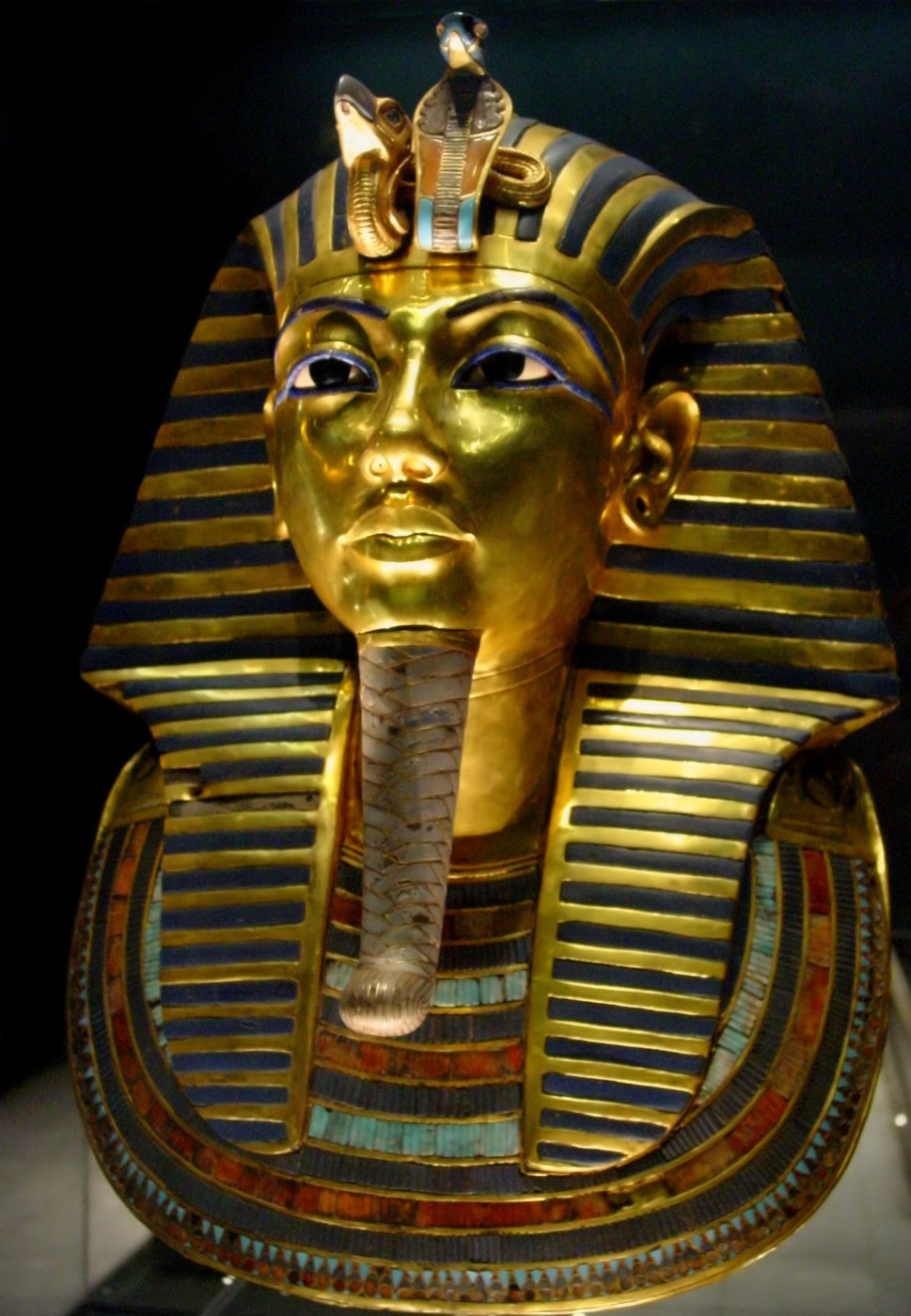
  • The historical context landsTeens who have done the Tutankhamun story at school engage with the GEM Tutankhamun gallery in a way that even adults sometimes do not. The narrative reaches them; the gold mask reaches them; the Howard Carter biography reaches them.

Pair this section with route plans (the family plans), with traveller's checks for the practical basics that apply to family travel, and with calendar watch — particularly important because the wrong month can turn a planned family trip into an ordeal.

Five family questions the desk hears every week

What age is too young for an Egypt trip?

Honestly, under 4 is hard. The heat, the dust, the long taxi rides, and the lack of stroller-friendly infrastructure at most sites combine to make under-4 travel exhausting for parents and unstimulating for the child. 4-7 works if you plan one site per day and the rest of the time is hotel pool or beach. 7+ is the sweet spot — children old enough to remember the visit, young enough to find everything new. Teenagers do well too if the trip includes some Red Sea snorkelling alongside the cultural component.

Is Egypt safe for families?

Yes, in the everyday sense. Petty theft against tourists is low, violent crime is rare, the tourist-police presence at major sites is heavy. The aggressive touts at the pyramids and the Khan can be uncomfortable with kids but are not dangerous. Traffic is the actual safety concern — Egyptian streets are chaotic and pedestrian crossings are theatrical. Hold small children's hands at all times in cities. The hotel zones in the Red Sea resorts are entirely safe for unaccompanied teen swimming.

Will the food work for picky eaters?

Mostly yes. Egyptian cuisine has a lot of plain rice, plain pasta, grilled chicken, flatbread, fries, fruit, and yogurt. Most tourist-zone restaurants have a kids' menu with pizza or burgers as fallbacks. The local specialties (koshary, fuul, ta'meya, mahshi) range from very kid-friendly to slightly challenging. Avoid the heavily-spiced regional dishes for sensitive palates. Bottled water is universal; ice in mid-range restaurants is fine.

How do we handle bathroom emergencies?

Use major hotels — every major Cairo and Luxor hotel will let a parent and child use the lobby bathroom even if you are not a guest. Museum bathrooms are clean. Petrol-station bathrooms (Mobil, Shell) are usable in a pinch. Smaller restaurant bathrooms are variable. Carry tissues and hand sanitiser; toilet paper is often missing or supplied separately.

Can we use strollers?

At the GEM yes — floors smooth, elevators reliable. At the Tahrir Museum and most other indoor museums, technically yes but the stairs make it impractical. At the open-air sites (Karnak, the Valley of the Kings, Saqqara), strollers are unusable on the rough ground; bring a baby carrier instead. Cairo and Luxor pavements are uneven and stroller-hostile in most neighbourhoods; carrying small children is often easier than wheeling them.

The family-trip planning desk

Editor's-tier subscribers can book the planning-letter exchange specifically for a family trip — we will write to you with a tailored plan that matches your kids' ages, the season you have chosen and the days you have available.

See Editor's tier